
Night & sleep·18 guides
Better sleep: heat, positions and morning aches
Sleep depends on a few concrete settings in the bedroom: its temperature, its sound level, its light, and the support given to head and neck.
These guides start from the problem as it shows up, a night that is too hot, waking in the small hours, an ache on getting up, and work back to what can be changed in the room or the bedding. They do not replace medical advice when pain persists.
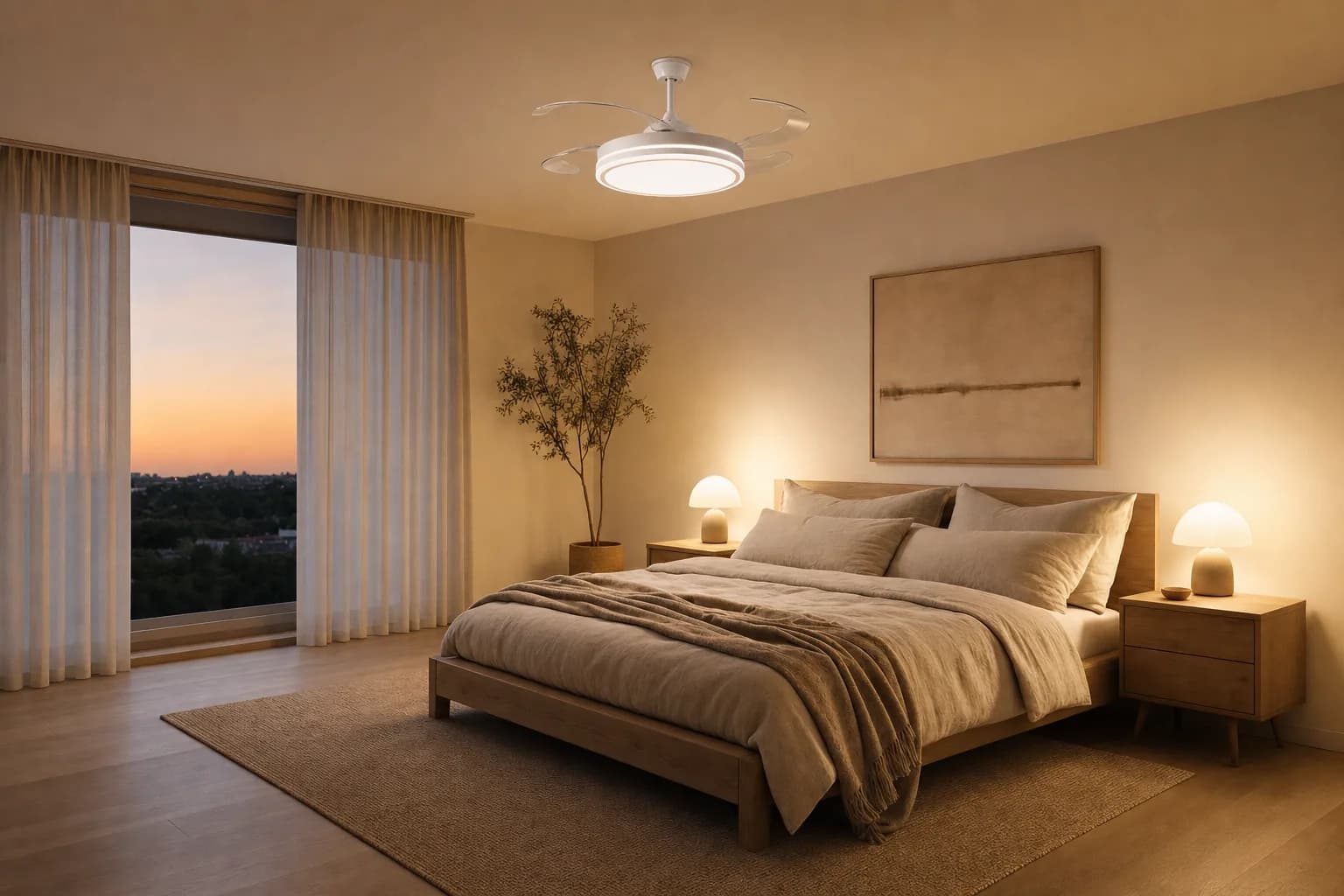
Ceiling fan and sleep: what studies say about the ideal bedroom temperature
Between 16 and 19 °C the body falls asleep faster and sleeps deeper. How a 30 dB ceiling fan helps stay in that window without air conditioning, and how to set it.
Feeling hot and sweating at night: the solutions that work
Damp head, pillow flipped ten times, awake at 3 a.m. Where night heat comes from, what traps it in your bedding and the moves that let it out.
The ideal bedroom for sleep: the complete point by point checklist
Temperature, noise, light, air, bedding, clutter, colours: the complete checklist for a bedroom that lets you sleep, with a figure for each point.
Falling asleep faster: the four step evening routine that works
The last hour decides how fast you fall asleep. Temperature, light, breathing, a prepared bedroom: a realistic four step routine you can use tonight.
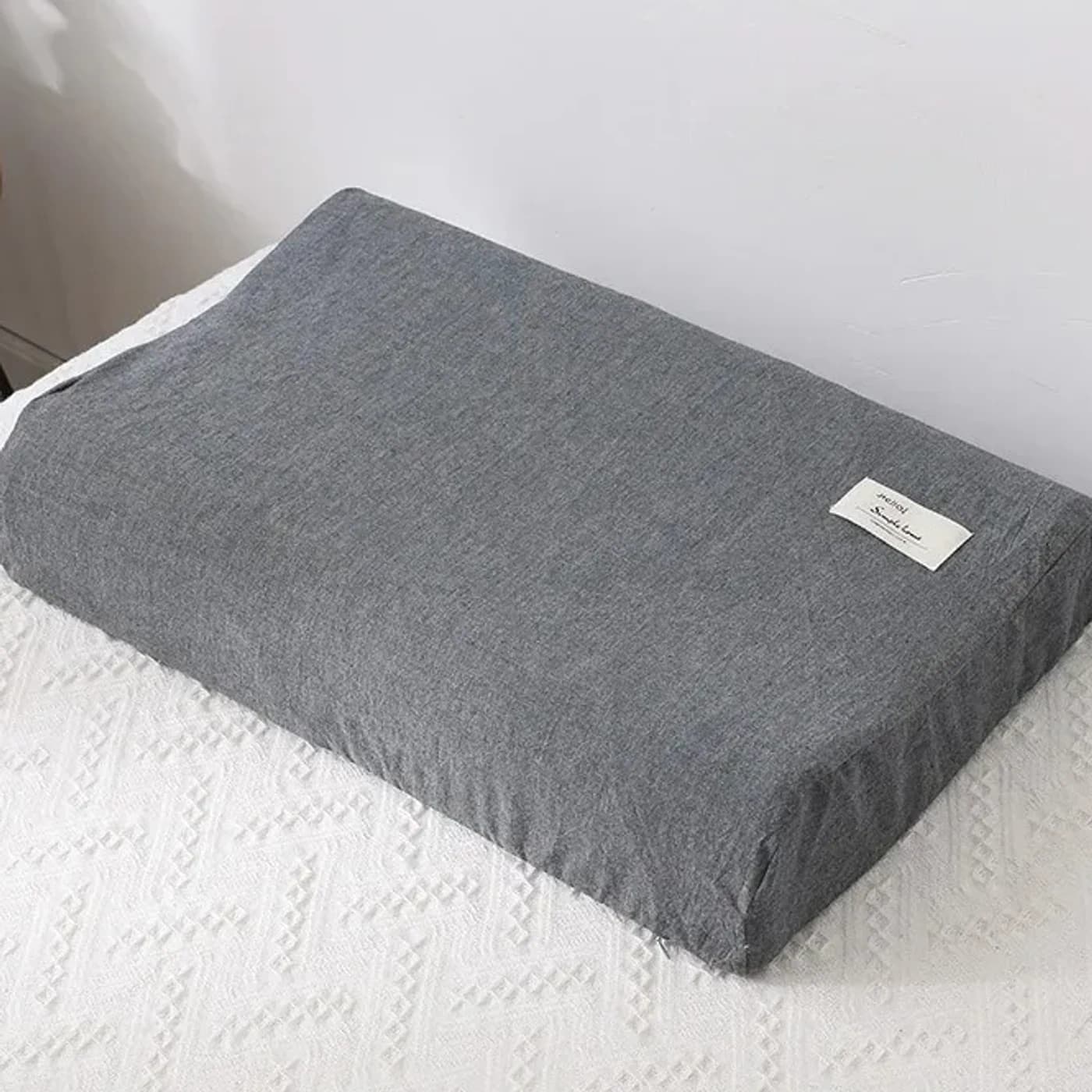
Sleeping well: the sleep hygiene rules that actually work
Regular hours, morning light, a cool dark bedroom, screens, caffeine, bedding: the rules that hold up, each with the concrete action that goes with it.
Sleeping on your stomach: what it really changes for neck and back
Neck rotation, a folded or abandoned pillow, a hollowed lower back: what front sleeping really changes, and how to move to your side without forcing it.
Ceiling fan at night: the ideal speed for sleeping, room by room
Which speed to set at night, at what height, with what room temperature: the practical guide to sleeping under a ceiling fan.
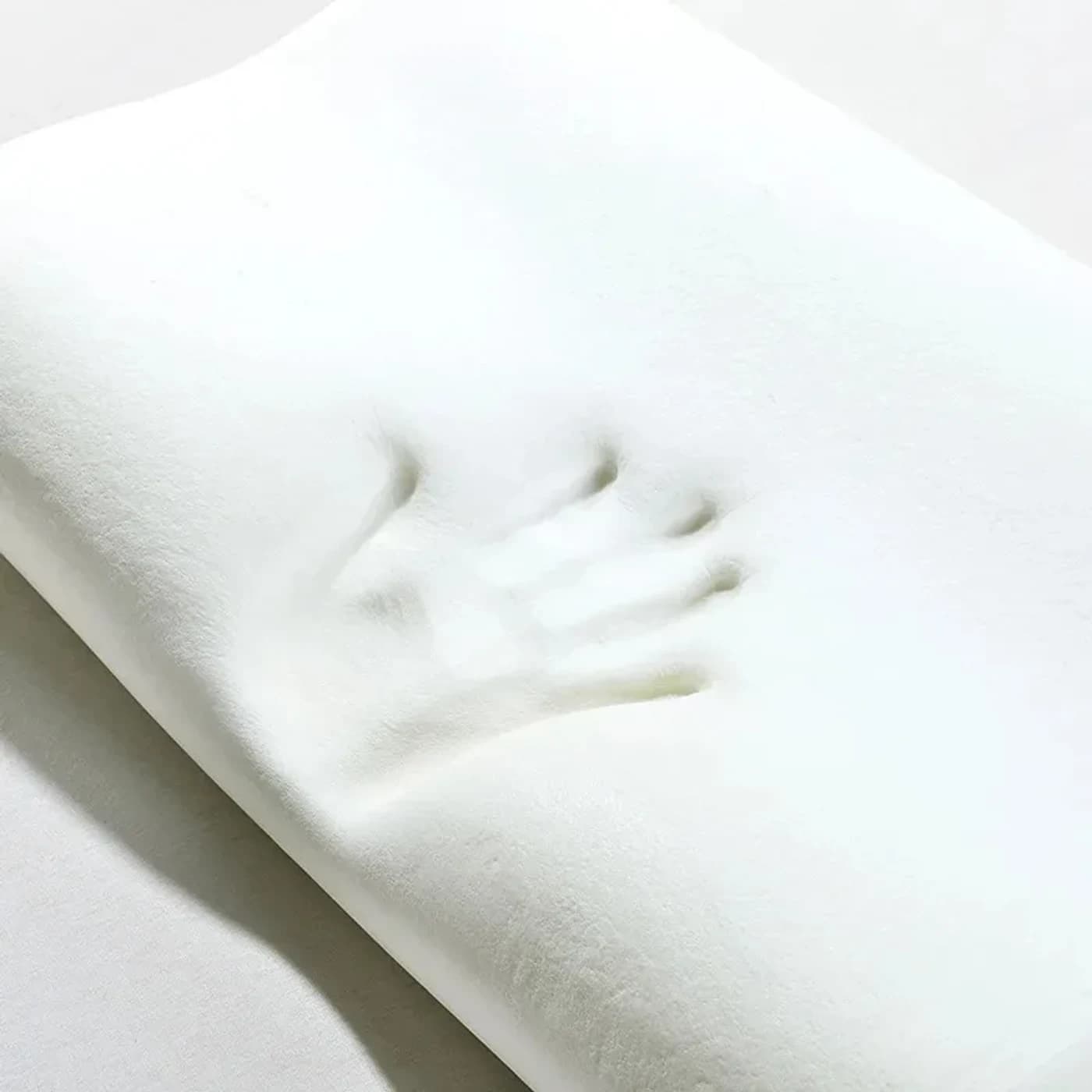
Neck pain at night: what actually puts your neck under tension
Side rotation, extension, arm under the head: the three positions that strain the neck at night, and the alignment markers to aim for.

Snoring and sleeping position: what changes on your side
Why sleeping on your back encourages snoring, what switching to your side actually changes, and what pillow height does to the airway at night.
One sleeps hot, one sleeps cold: the ceiling fan as the couple's compromise
Incompatible sleep temperatures? A ceiling fan's even air circulation cools without a direct draught or an icy AC blast.
Back pain at night: what position and bedding actually change
Mattress, pillow, position: the night is a chain. What a badly set pillow does to the upper back, and the positions that deepen the lower back curve.
Shoulder pain at night: what to change in bed to sleep better
The bottom shoulder carries the weight of your torso all night. What pillow height and arm position change, with no medical promise attached.
Neck pain on waking: where it comes from and what to change
A stiff neck in the morning often comes from a badly sized pillow. What really happens during the night, and the simple settings to test tonight.
Morning headaches: what your sleeping position really changes
Neck position, trapezius tension, bedroom heat, hydration: what the night can explain, and when a recurring morning headache calls for a doctor.
Waking up in the middle of the night: common causes and fixes
Heat, noise, discomfort, light, hydration, screens: the causes behind 3 a.m. wake ups, and what can be fixed in the bedroom in a single evening.
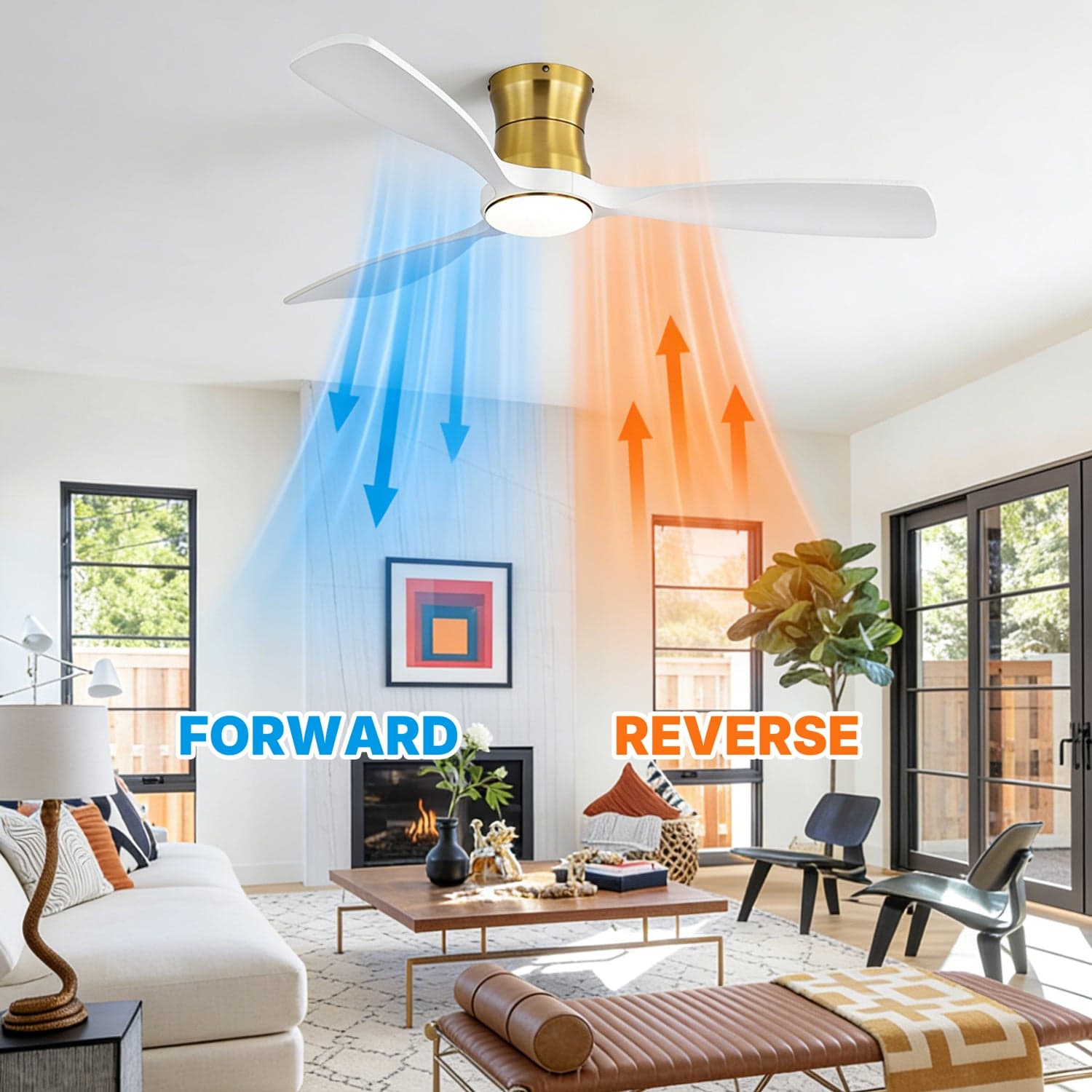
White noise for sleep: does a ceiling fan really help?
Science of white noise, optimal levels, white vs pink vs brown: does a fan's gentle hum genuinely improve sleep? What the research says.
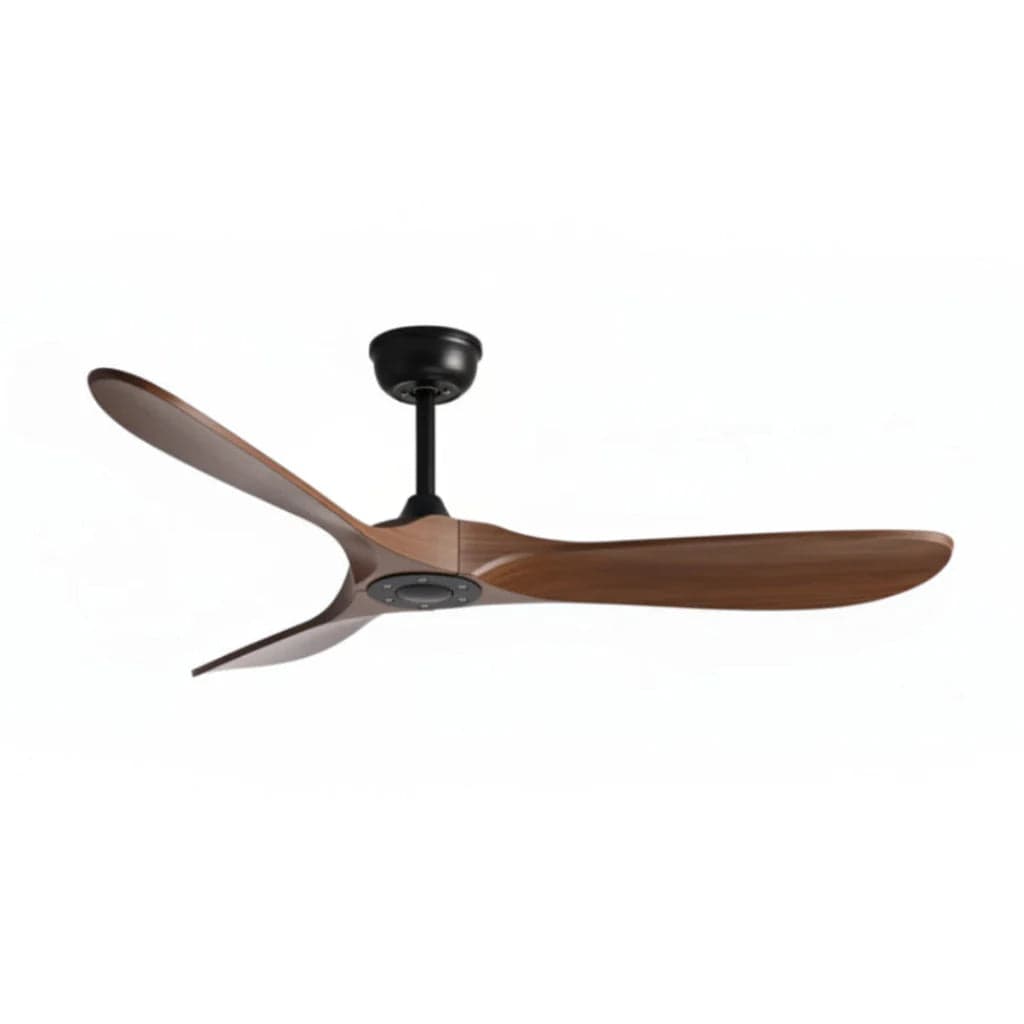
Noise and sleep: what nighttime sound really does to your body
Micro-arousals, cortisol spikes, cardiac risk: the WHO sets the limit at 30 dB at night. Here is how to protect your bedroom for genuinely restorative sleep.
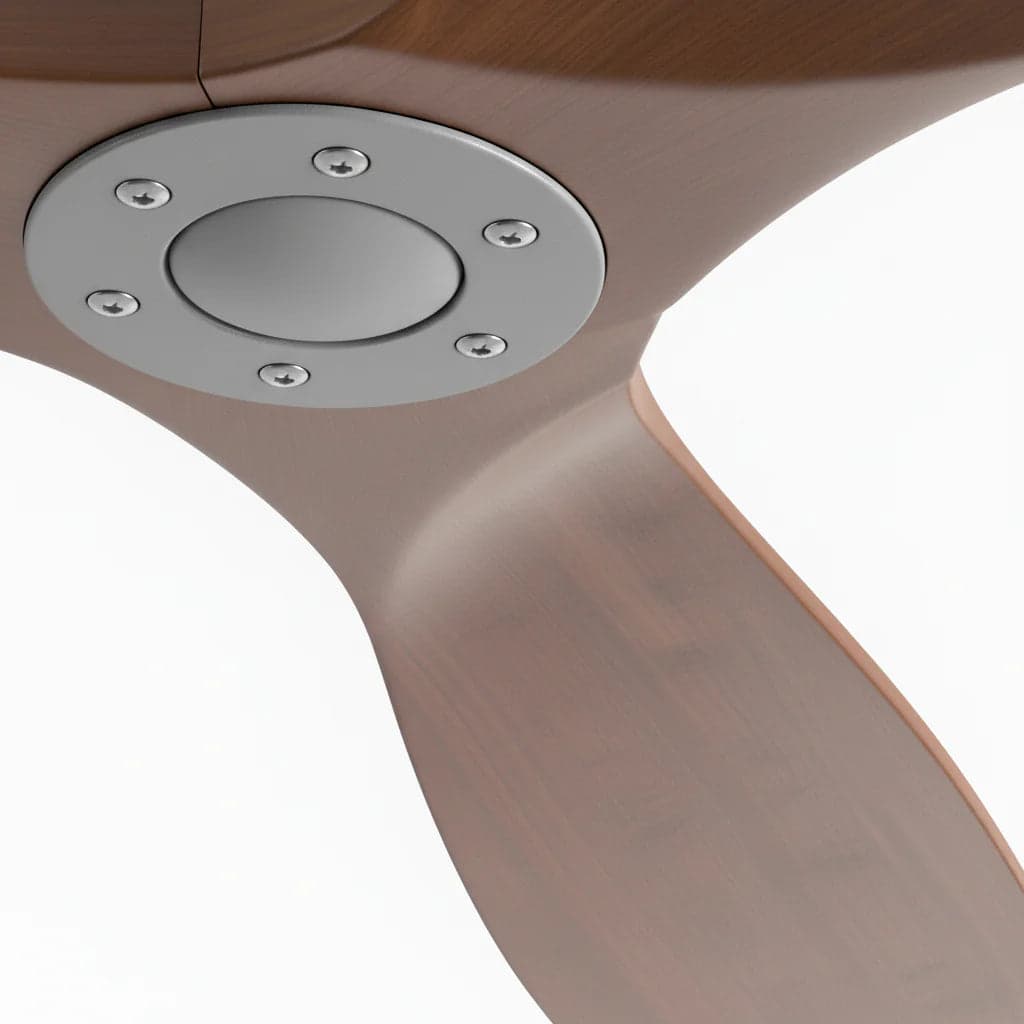
How to sleep during a heatwave: the complete guide
Ideal temperature 18-22°C, bedding, air circulation, hydration: every validated technique for sleeping through a heatwave without air conditioning.
From reading to choosing