
Ceiling fans·7 guides
Quiet, noise and decibels
The decibel is a logarithmic scale: ten decibels more are heard as a noise twice as loud. That is why a single figure says nothing without its point of comparison.
These guides explain what a sound level measures, where a fan's stray noises come from and how to get rid of them.
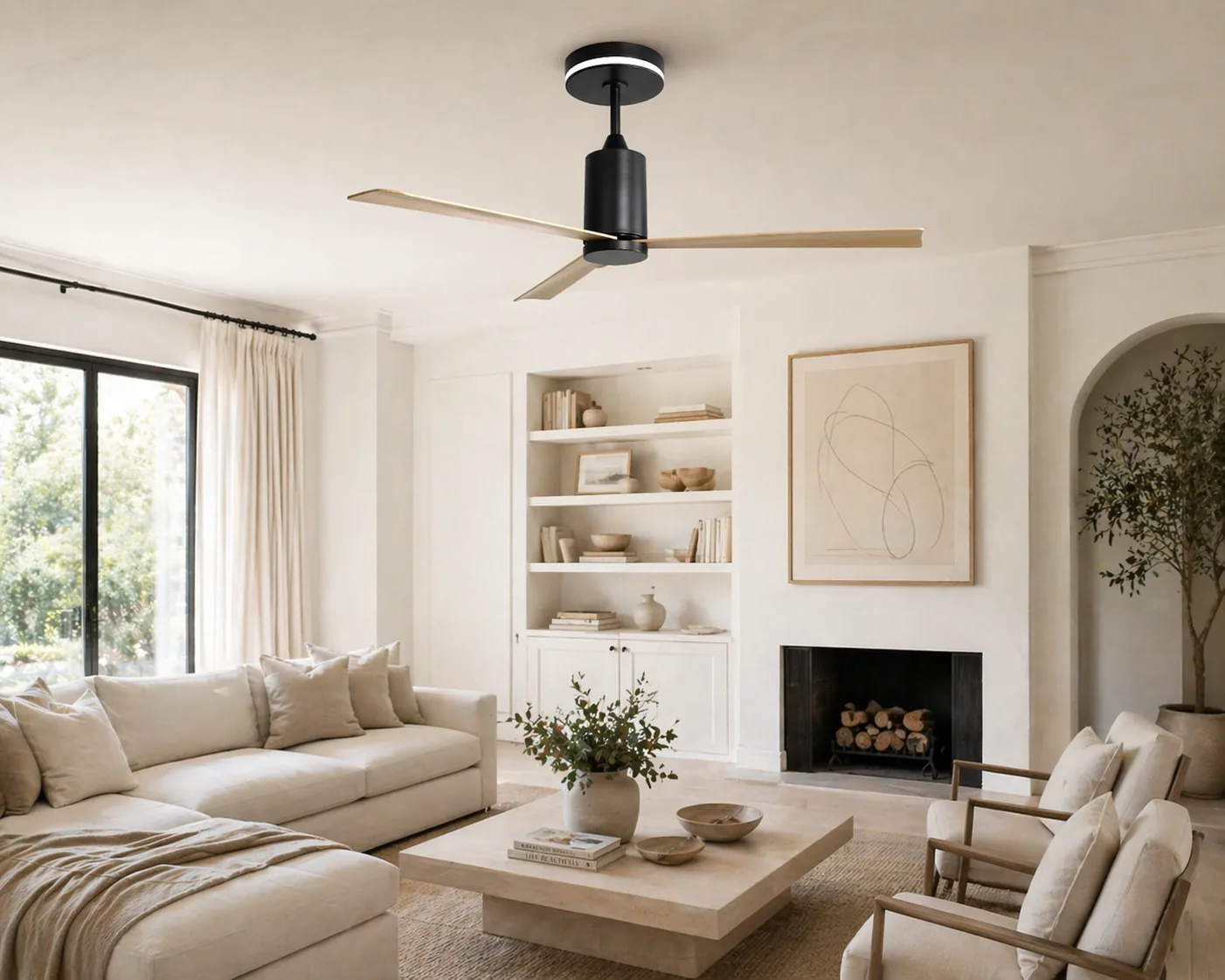
30 dB for a ceiling fan: what the figure really means, and how to compare it
30 dB is a whisper; 40 dB a library; 50 dB a conversation. Why 10 dB more sounds twice as loud, at what distance manufacturers measure, and the three questions to ask before believing a spec sheet.

Ceiling fan in a flat: can the neighbours hear it? Noise, vibration, co-ownership
A ceiling fan in a shared building: what the upstairs neighbour perceives, vibrations through the ceiling, the permission rule and the fixing that settles everything.

Sleeping in the city in summer: windows closed against noise, cool with a ceiling fan
Noisy street, hot nights: how to sleep with windows closed and stay cool with a silent 28-32 dB ceiling fan.

A ceiling fan in the nursery: safety, silence and best practice
Ceiling fans and baby rooms: safety, noise levels for infant sleep, and the 18-20°C temperature paediatricians recommend. The careful guide.
Noisy ceiling fan: diagnose and eliminate every sound, step by step
Clicking, wobble, humming, rubbing: identify what makes your ceiling fan noisy and apply the exact fix for each sound, from loose screws to blade balancing.
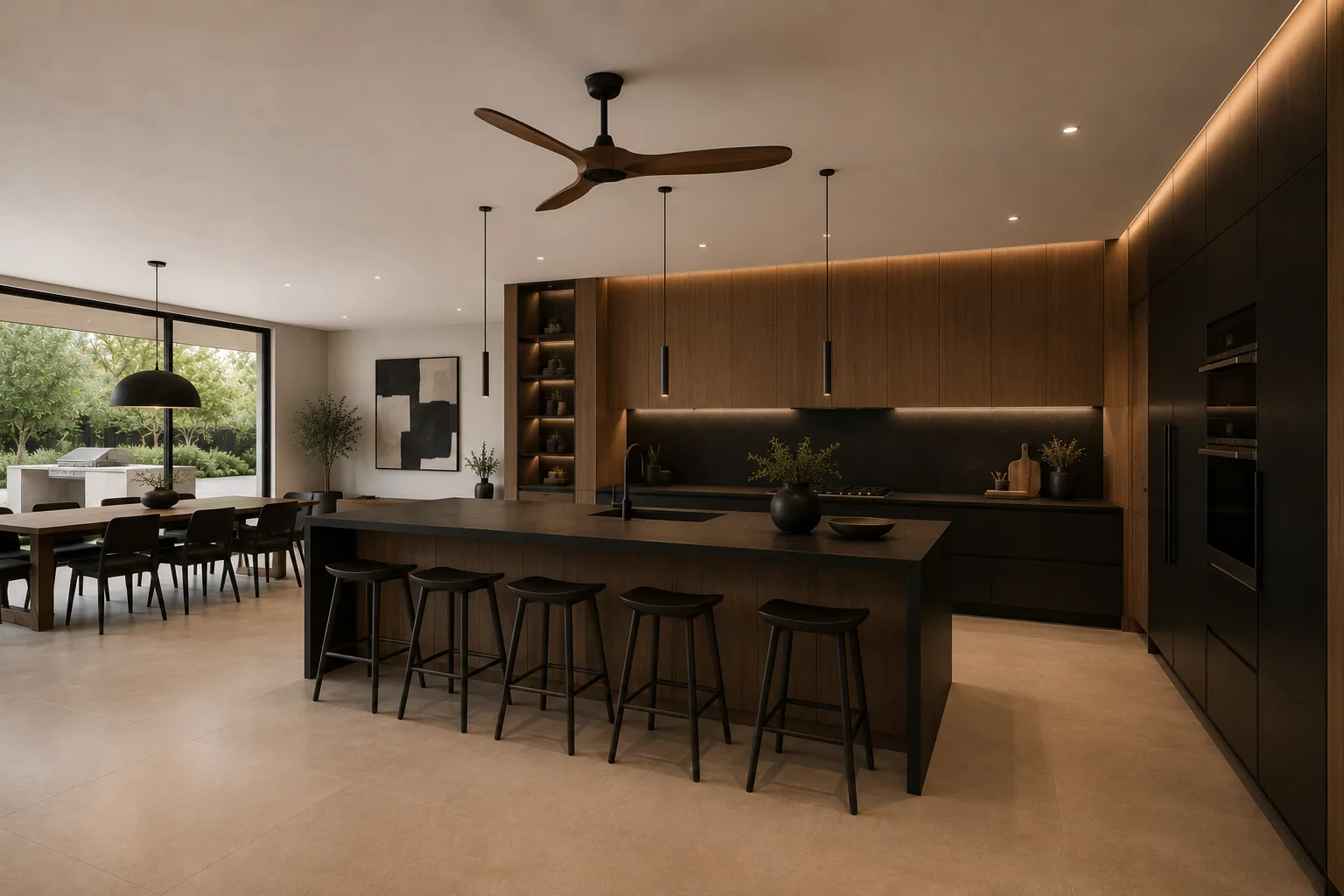
The decibel scale explained: everyday examples that make it click
Logarithmic, perceived, A-weighted: decibels explained simply with real-life benchmarks. Why +10 dB sounds twice as loud, and what that means for your home.
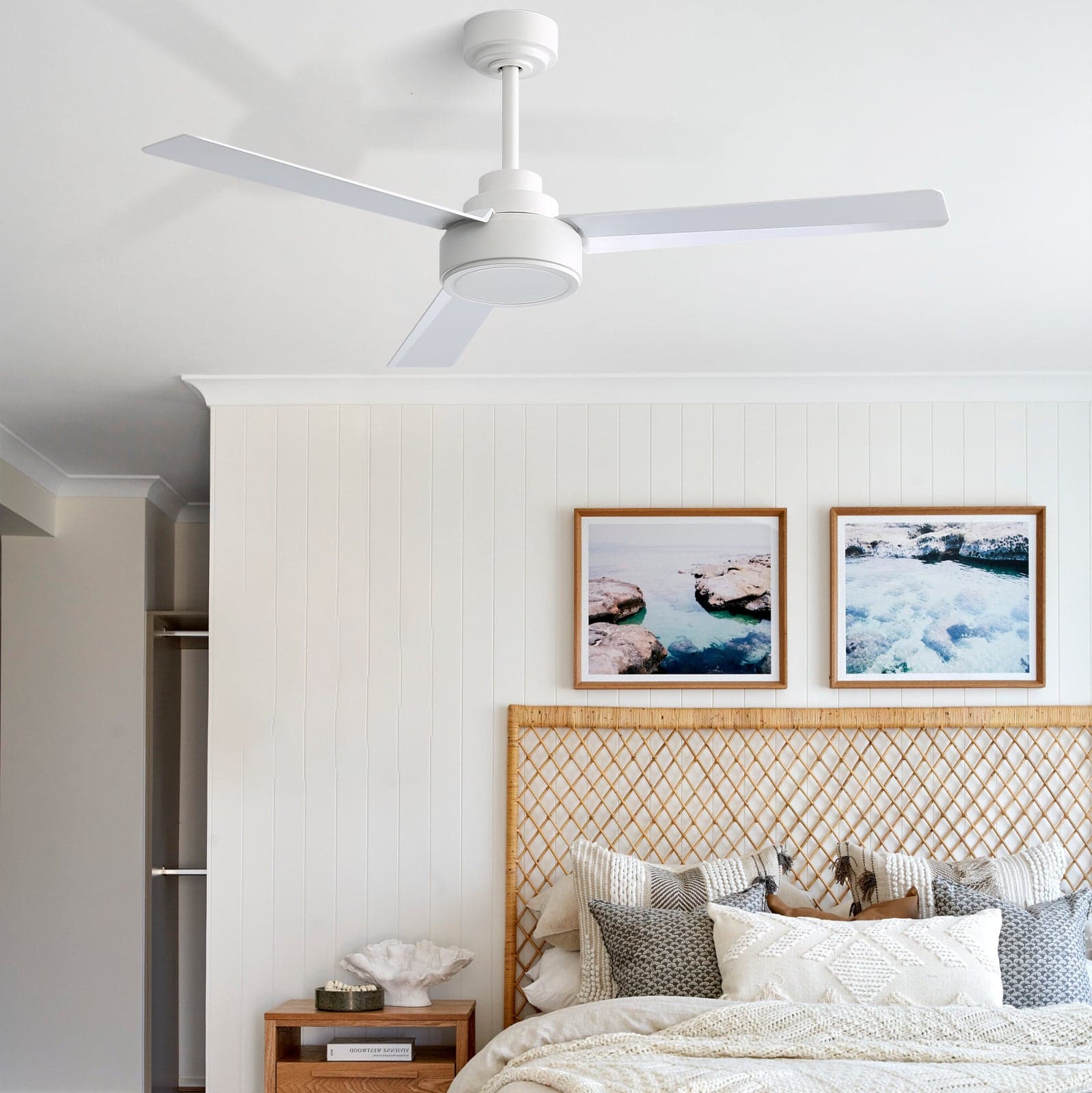
Silence as the ultimate luxury: why the world's finest spaces have gone quiet
Palace hotels, Alpine spas, architect-designed homes: silence has become the defining signature of the spaces that matter. An investigation into a discreet luxury.
From reading to choosing