Silence & sleep
Waking up in the middle of the night: common causes and fixes
Published on ·5 min read
Three in the morning, eyes open, an hour of waiting for sleep. It is one of the most common sleep complaints and one of the most misread. Waking briefly at night is not abnormal: sleep runs in cycles, and the second half of the night is lighter than the first. Almost everyone surfaces several times without remembering it.
What causes trouble is the wake up that lasts. This article sorts the common causes into two families, the physical ones you fix in the bedroom, and evening habits. Then it gives the list of what can be settled in a single evening, with nothing to buy for most of the points.
Why the wake up often lands around 3 a.m.
Sleep is organised in cycles of about 90 minutes. The first cycles of the night hold most of the deep sleep, the kind you do not surface from easily. After three or four cycles the proportion reverses: sleep becomes lighter, and the smallest outside signal is enough to bring you up. It is arithmetic, not mystery: going to bed at 11 p.m. places that light zone around 3 to 4 a.m.
In that zone body temperature is at its lowest and alertness is slowly rising. A noise, a duvet slipping, a badly supported neck: what went unnoticed at midnight wakes you at 3. The good news is that most of these signals are physical and can be handled in the room. The bad news is that people often look for a psychological explanation before checking the bedroom temperature.
Heat and noise, the two most mechanical causes
Heat is the first suspect, and it strikes precisely in the second half of the night. Walls and ceiling release the heat stored during the day just as the body reaches its temperature low. Above 24 °C in the bedroom, falling asleep takes longer and micro awakenings increase. Sleep recommendations converge on a window of 16 to 19 °C, with tolerance up to about 22 °C.
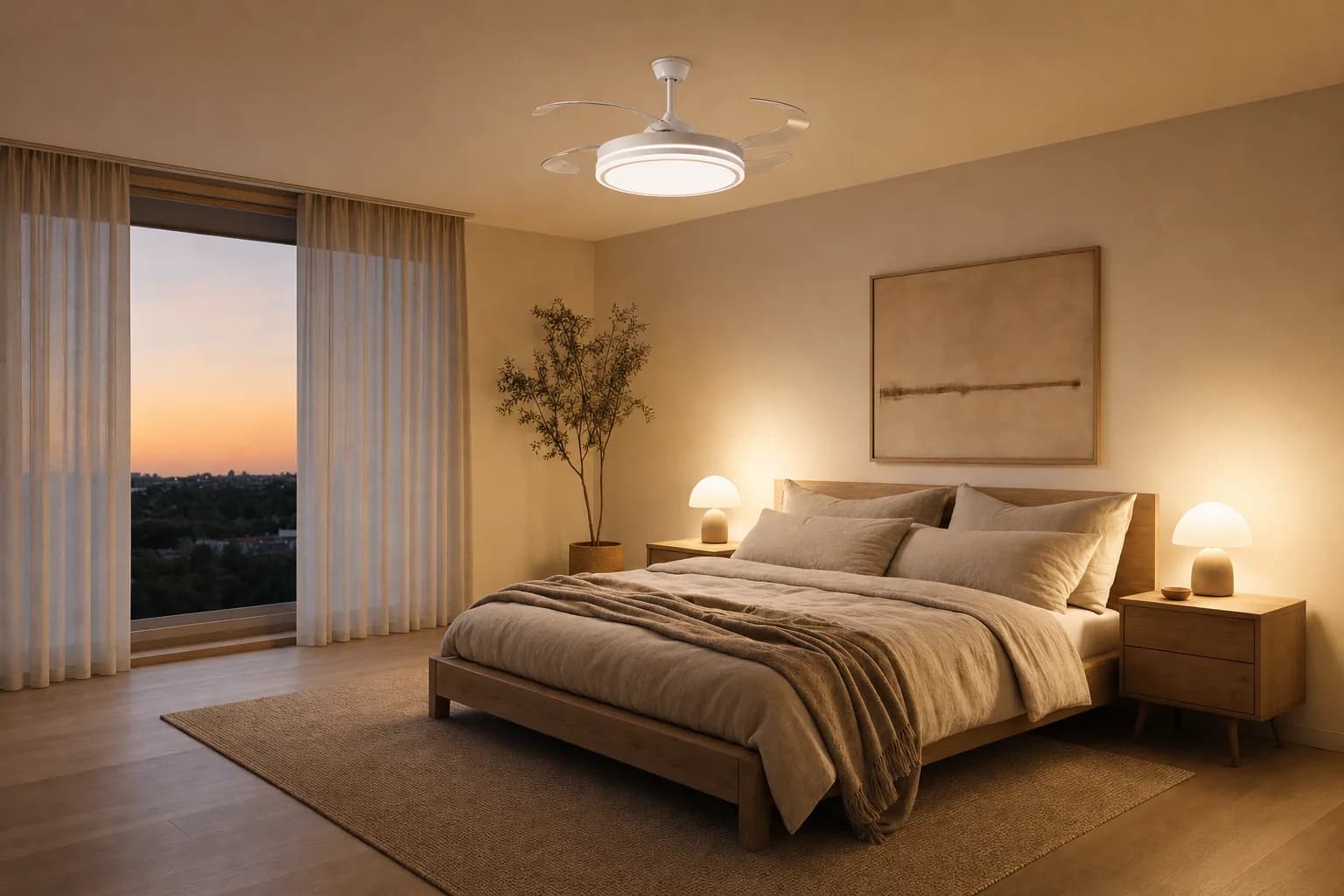
Noise is the second. The threshold beyond which sleep starts to fragment sits around 35 dB in the bedroom, and a noise that does not fully wake you is enough to lift you a cycle. The Boréal 107 handles both at once: at 30 to 34 dB it stays under that threshold, it lowers felt temperature by 2 to 4 °C through air movement, and its steady breath covers irregular street noise. Its timer lets you switch it off in the middle of the night.
Discomfort, light, hydration, screens
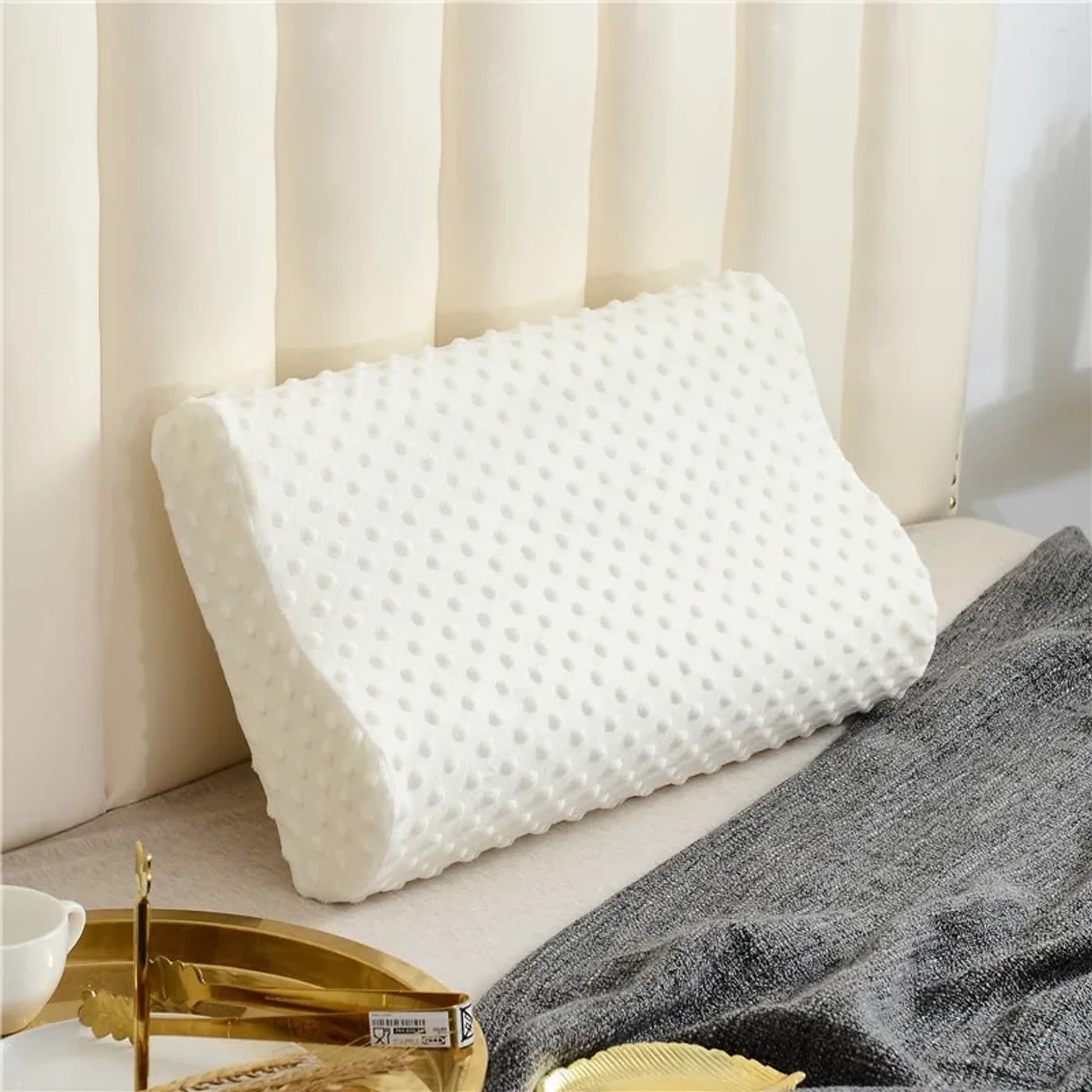
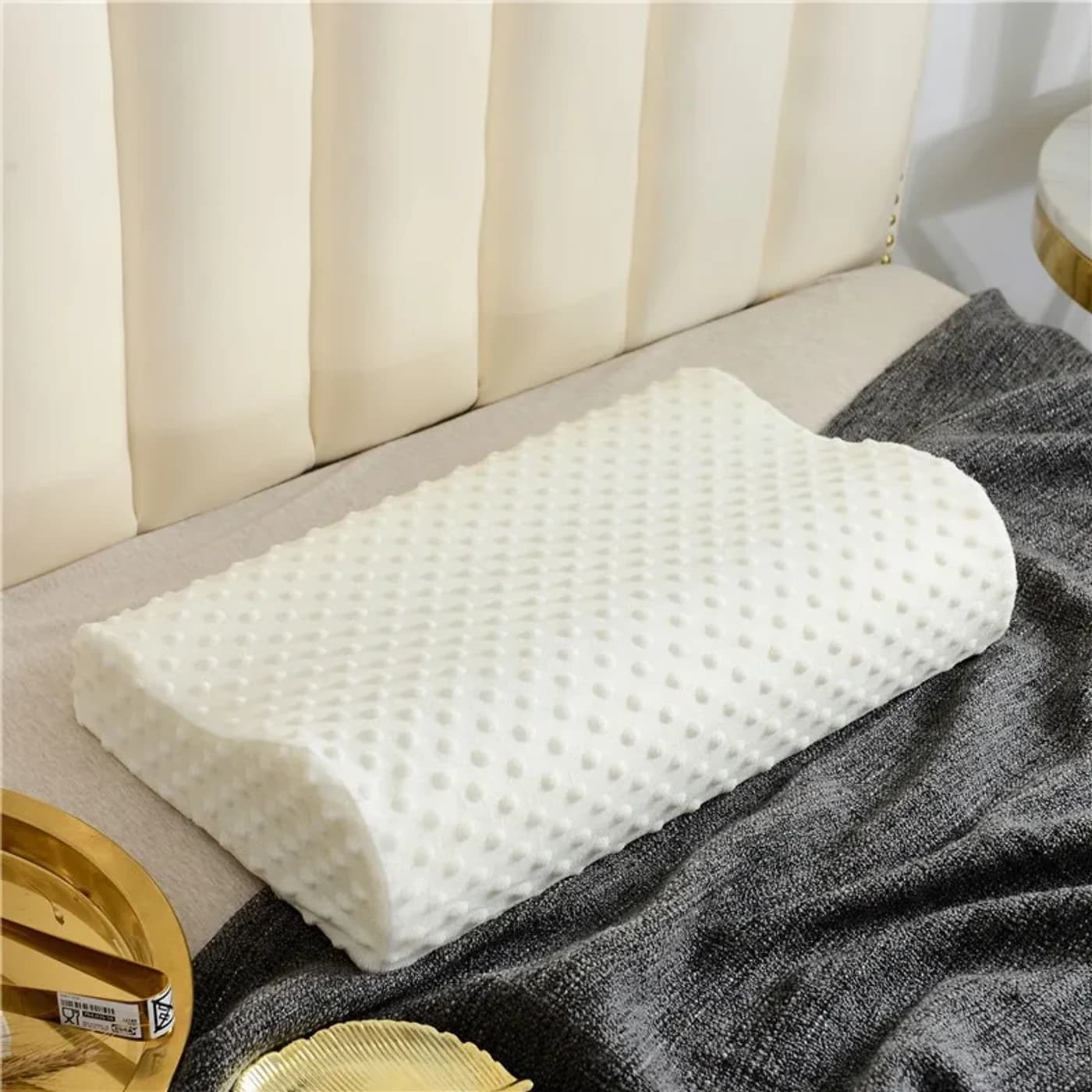
Discomfort is the most underestimated cause, because it is gradual. A fibre pillow is the right height at bedtime and no longer is an hour later: it has flattened, the neck has dropped, and the body ends up demanding a position change sharp enough to wake you. A pillow that keeps its height removes that signal. The Nuage 50, in slow rebound foam, keeps the same setting until morning, with a 10 cm high wave for side sleeping and a 7 cm low wave for the back.
Light, hydration and screens make up the rest. A router standby light, a badly filtered street lamp or a glowing alarm clock are enough to delay falling back asleep. A very salty or very alcoholic dinner causes thirst wake ups later in the night. And a screen checked at 3 a.m. is the best way to turn a five minute wake up into an hour: light and attention restart alertness exactly when it needed to fade.
- ·Heat: above 24 °C, micro awakenings increase in the second half of the night.
- ·Noise: from around 35 dB in the bedroom, sleep starts to fragment.
- ·Discomfort: a pillow that flattens lets the neck drop and triggers position changes.
- ·Light: device standby lights, glowing alarm clocks, badly filtered outdoor lighting.
- ·Screens and drinks: a screen at 3 a.m. restarts alertness, alcohol fragments the second half of the night.
What you can fix in the bedroom in one evening
The method is to deal with the physical before the behavioural, because the physical can be checked. Measure the bedroom temperature at bedtime and on waking, with any thermometer. Walk round the light sources, including the ones you no longer notice. Check your pillow height in your usual position: seen from the front, the nose should stay in line with the breastbone. Then change one thing at a time, over three nights, or you will not know what worked.
If the wake up still comes, the most useful rule is not to switch on a screen and not to look at the time. Many people find that an accepted wake up lasts less than a fought one. Finally, if the wake ups have been daily for several weeks, or come with loud snoring, breathing pauses or heavy daytime tiredness, that goes beyond bedroom settings: speak to a health professional.
- ·Measure the bedroom temperature at bedtime and on waking.
- ·Switch off or mask every standby light, including the ones in the hallway.
- ·Check the pillow height in your usual sleeping position.
- ·Change one parameter at a time, and judge after three nights.
- ·If you wake, no screen and no glance at the clock.
Three a.m. wake ups almost always have a physical share: too warm, too noisy, too bright, or a neck badly supported by a pillow that has flattened. Those are the cheapest parameters to correct and the easiest to check. If the wake ups settle in anyway, a health professional is the right next step.
Frequently asked questions
Why do I always wake up at 3 a.m.?+
Because the second half of the night holds lighter sleep than the first. After three or four cycles of about 90 minutes, an outside signal is enough to bring you up: heat, noise, light or discomfort. It is not abnormal, unless falling back asleep becomes long and daily.
What should you do when you wake in the middle of the night?+
Do not switch on a screen and do not look at the time: those are the two moves that turn a short wake up into a long one. Stay calm in the dark, and if alertness really persists, get up for something boring in dim light rather than fighting it in bed.
Can heat wake you at night?+
Yes, and above all in the second half of the night, when walls release the day's heat while body temperature is at its lowest. Above 24 °C in the bedroom, micro awakenings increase. The recommended window for sleeping is between 16 and 19 °C.
The SEY Maison Circle
Every month, an exceptional piece. Never reissued.
The Drops principle: one high-end furniture piece per month, in a numbered edition. Once it's gone, it never comes back. Circle members are notified 48 h early, access each drop 24 h before everyone else, and receive our guides before publication.
Discover the Drops →