
Interior design
Composing a room from wall to ceiling: the two focal points rule
Published on ·4 min read

Many rooms are furnished without being composed: a sofa, a coffee table, a shelf, a builder's ceiling light. Everything is there, nothing holds together. What is missing is not one more piece of furniture, it is a place to rest the eye.
Interior architects work with a simple rule: two focal points per room, one at eye level, one on the ceiling. This article explains how to choose and match them, using the IS × SEY Maison canvases and the ceiling light that goes with them as examples.
Why two focal points, not one or three
Entering a room, the eye always makes the same journey: it looks for the wall opposite, settles there, then rises towards the light source. Those are the two places where you can put something that matters. One focal point and the room looks unfinished; three or four and the eye no longer knows where to go, the shop-window effect.
The rest of the room must be calm: sober furniture, plain walls, textiles in a tight range. Calm is what gives the two points their strength. A composed room is a room where things were removed, not added.
The wall focal point: one work, alone
The wall facing the entrance, or facing the sofa, gets a single work. Not a gallery wall, not three posters: one canvas, with air around it. In a 20 m² living room a 40 × 30 cm or 50 × 20 cm format is plenty if it is alone and centred at the right height. The classic mistake is believing you need big: the emptiness around is what makes the size.
A unique canvas, painted not printed, brings what no poster gives: a texture that changes with daylight and a reason to look at that wall every evening. Pics F1, a 50 × 20 cm panoramic format, is made for a long wall above a sofa or a console: the single-seater on the red sky becomes the point where the room begins.
One-of-a-kind canvases, painted for the house.
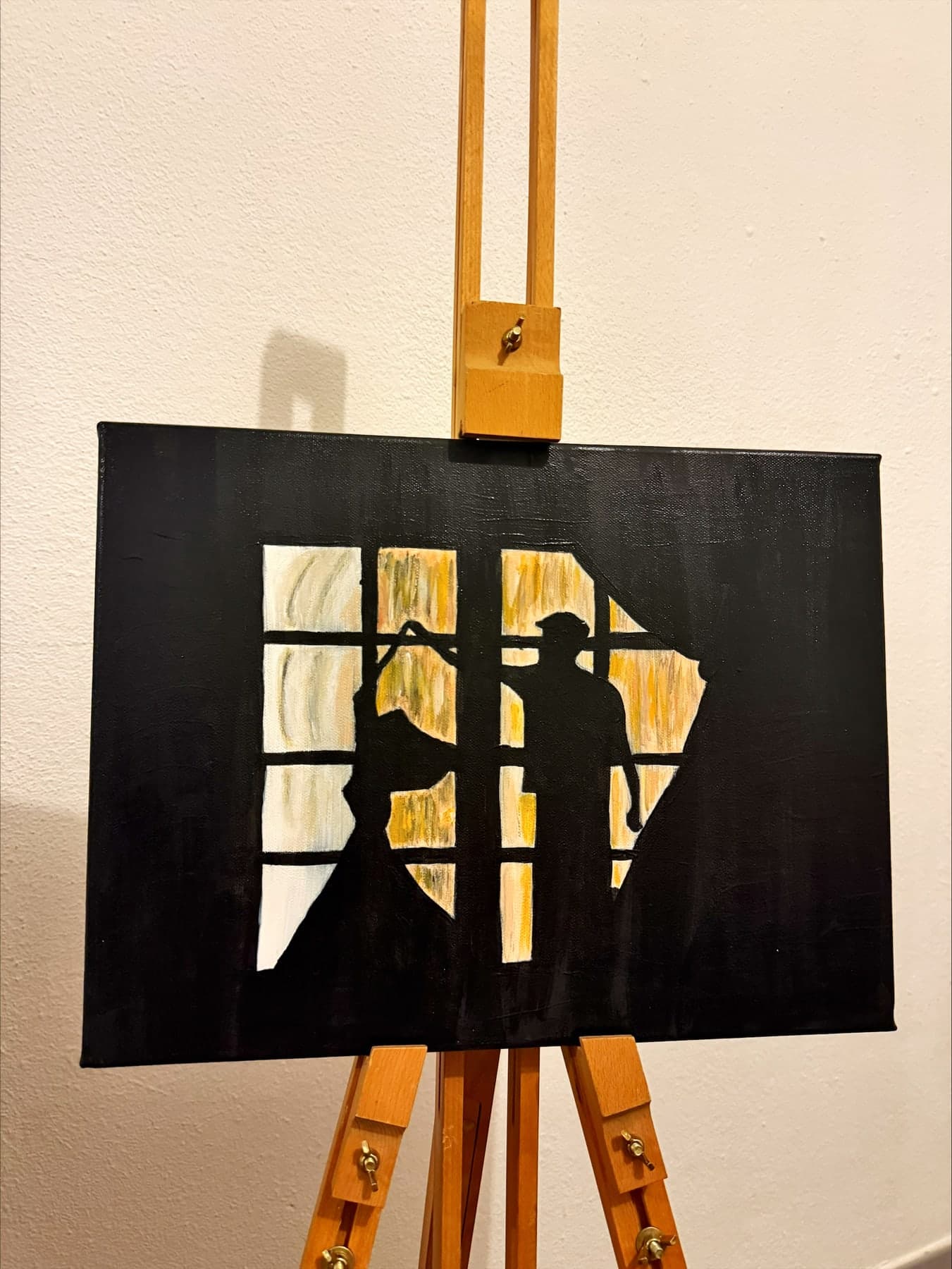
The ceiling focal point: the light, in scale
The ceiling has one possible object: the central light. It can disappear, matt white on matt white, or be shown, but it must be in scale with the room: a 50 cm disc in 20 m², not a 90 cm pendant crushing the table. And it must never compete with the wall: if the canvas is strong in colour, the ceiling stays white.
A retractable-blade fan with light is the most discreet ceiling focal point there is: off, a white disc; on, the room cools. The Boréal 107 plays that role both ways. Its LED in three colour temperatures also lights the canvas: 2700 K warm white in the evening for the reds and golds, 4000 K neutral by day.
- ·Living room 15 to 25 m²: 40 to 50 cm light, white, flush to the ceiling
- ·Strongly coloured canvas on the wall: white ceiling, no exception
- ·Dark or monochrome canvas: white or light wood ceiling possible
- ·Evening light: dimmable warm white, never cool white on a painting
Making the two talk: shared colour or frank contrast
The two focal points must answer each other. The simplest way is a shared colour picked up elsewhere in the room, in small doses: the green of Glass of wine in a cushion, the red of Pics F1 in a throw. One echo is enough, two at most. Beyond that, you fall into theme.
The other way is frank contrast: a warm, saturated canvas on a white wall, under a pure white ceiling light, with light wood furniture and undyed textiles. The canvas is then the only colour in the room, and all the stronger for it. It is the safest composition for a first art purchase: one point of colour, everything else calm.
Two focal points per room: a unique canvas on the wall, alone and at the right height, a light in scale on the ceiling, white on white. One colour echoed in small doses, or a frank contrast, and everything else calm. The six IS × SEY Maison canvases were painted to live under our ceiling lights: the room composes itself from wall to ceiling with two objects, not ten.
Frequently asked questions
How do you compose a living room with a painting?+
A single canvas on the wall facing the entrance or the sofa, centred, with air around it, the centre at 135 to 145 cm from the floor. The rest of the wall stays empty. One colour from the canvas echoed in small doses elsewhere, cushion or throw, and a white ceiling light in scale with the room.
What size painting for a 20 m² living room?+
A 40 × 30 cm or 50 × 20 cm format is enough if it is alone and well placed: the emptiness around gives the scale. A large format is only needed if the wall exceeds 4 m or the canvas must span a large sofa.
Should the ceiling light match the painting?+
No, it should be neutral and in scale. If the canvas is strong in colour, the ceiling light stays matt white and discreet: it lights the canvas in the evening in warm white without competing. A coloured or oversized light creates a third focal point and muddles the reading.
The SEY Maison Circle
Every month, an exceptional piece. Never reissued.
The Drops principle: one high-end furniture piece per month, in a numbered edition. Once it's gone, it never comes back. Circle members are notified 48 h early, access each drop 24 h before everyone else, and receive our guides before publication.
Discover the Drops →Also worth reading
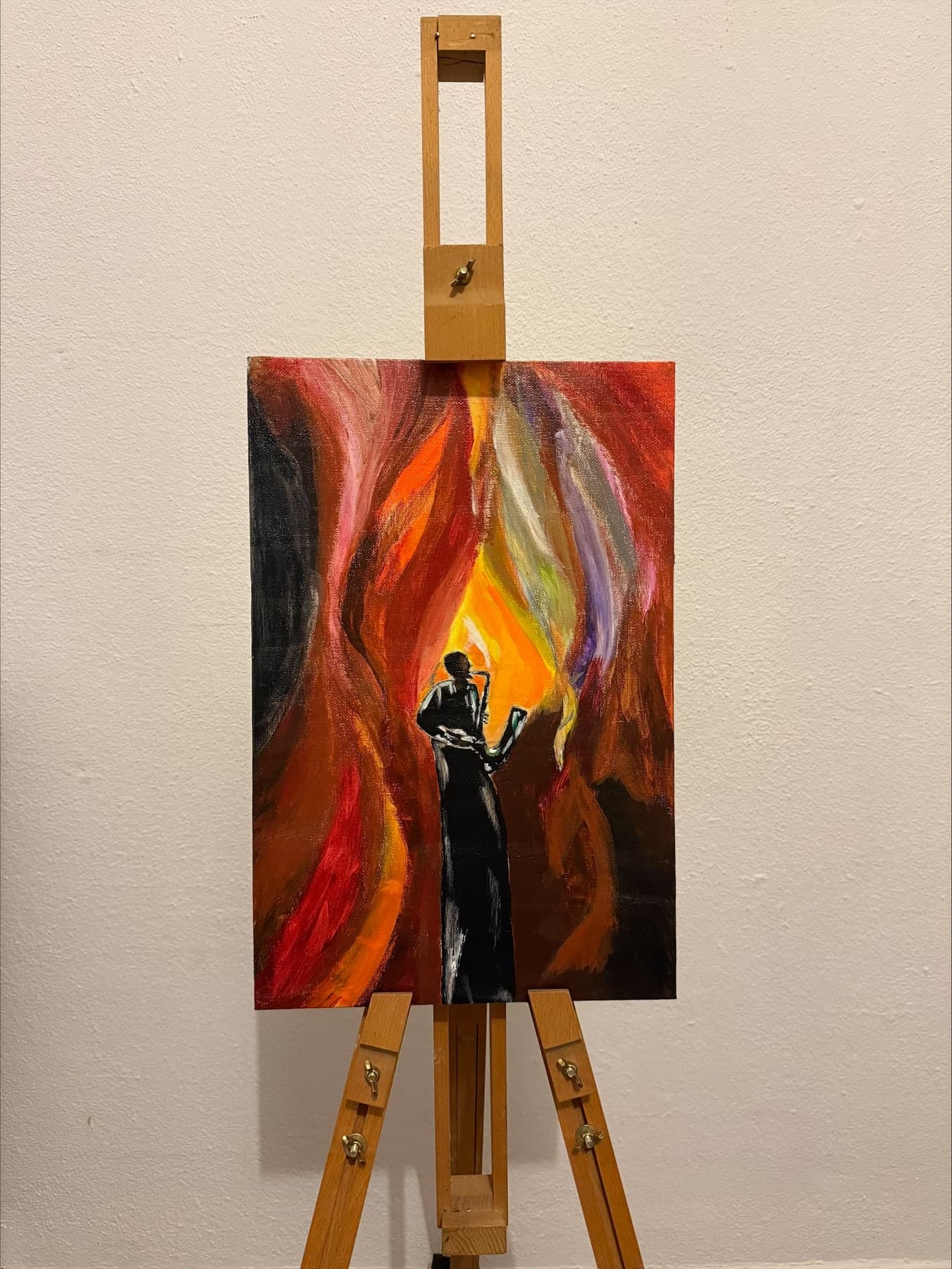
Lighting a painting at home: colour temperature, angle and intensity that respect the canvas
Read the article →
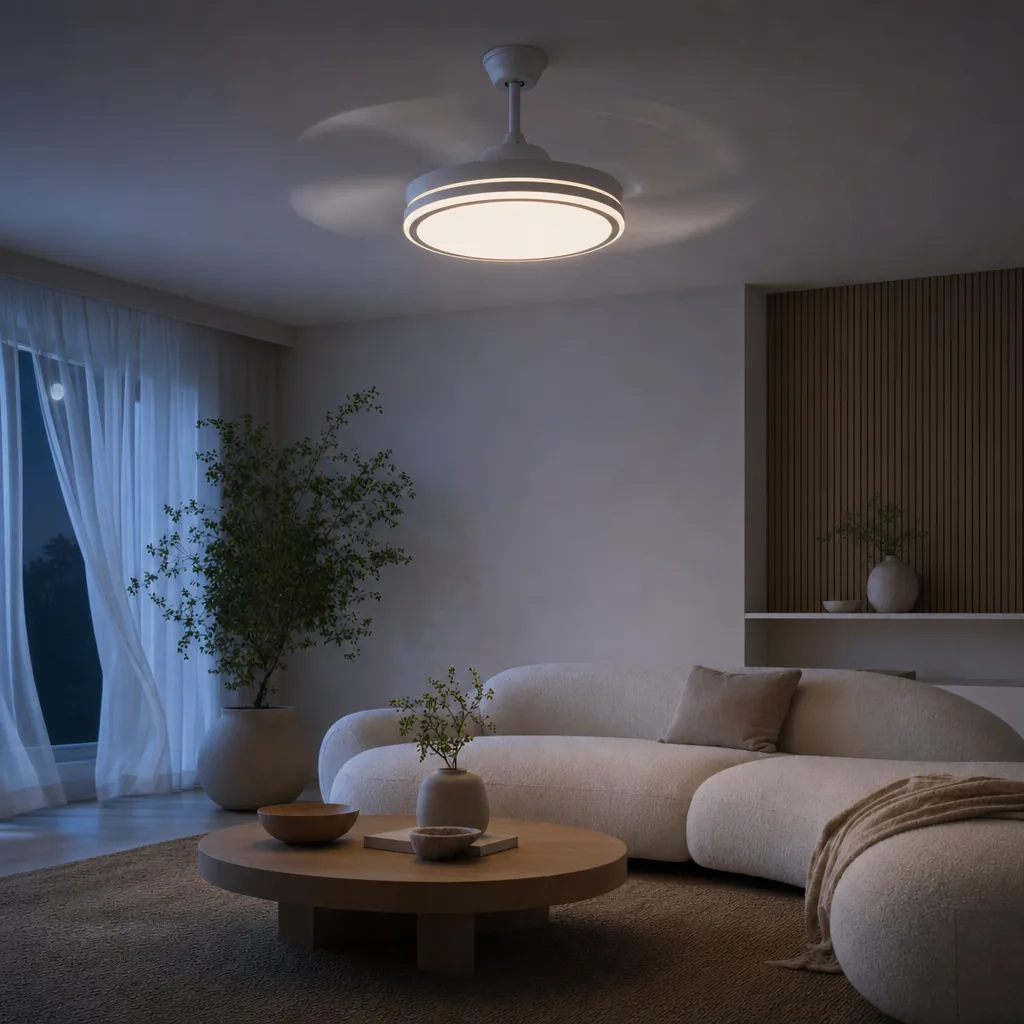
Ceiling fan and television: avoiding LED glare on the screen and blade flicker
Read the article →
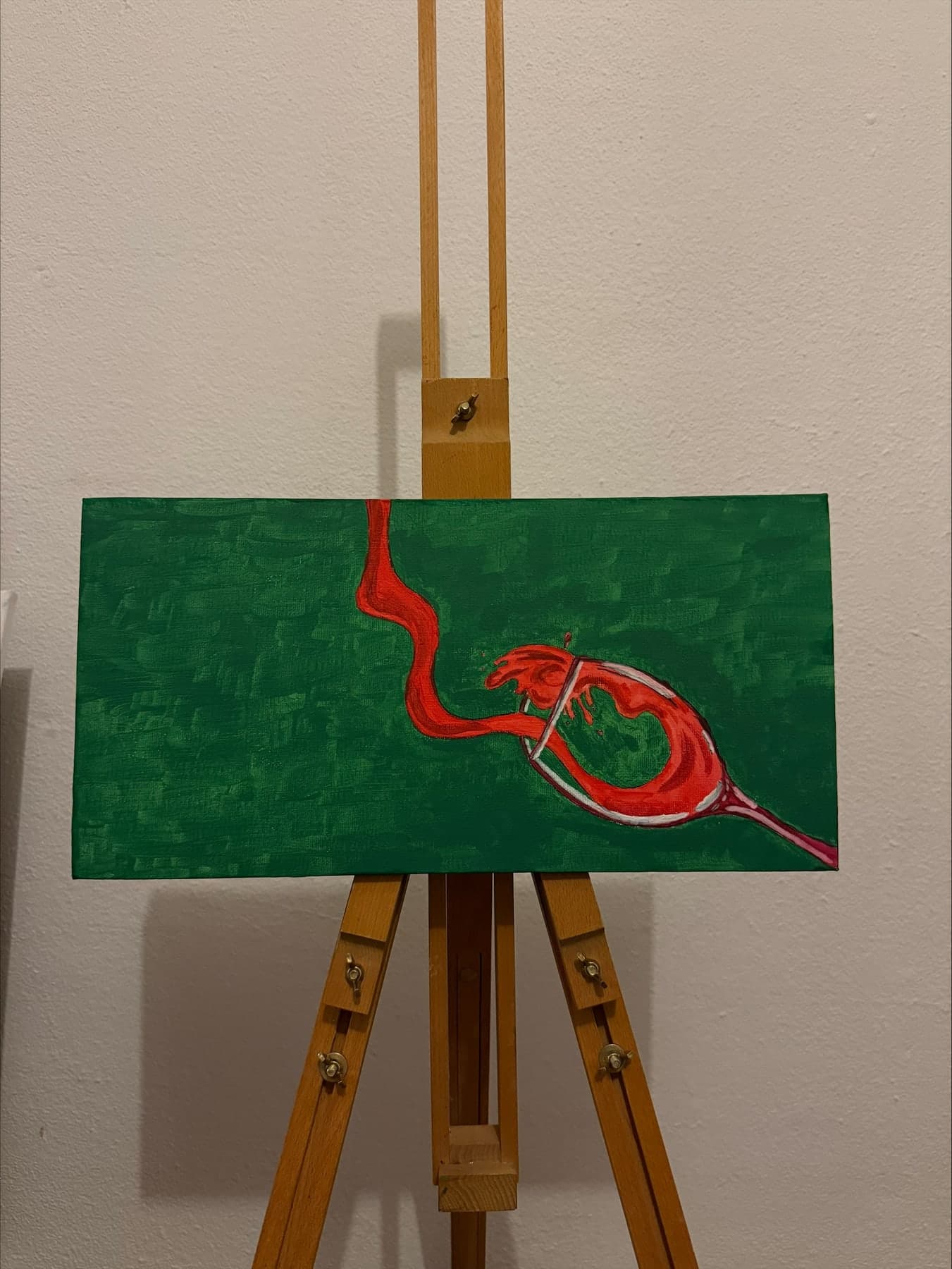
Gallery wall or a single canvas: which to choose for your living room, and why empty space matters
Read the article →