
Interior design
An artwork's certificate of authenticity: what it is really for and what it must contain
Published on ·4 min read

You receive a canvas, unwrap it, hang it. And the certificate slipped into the packaging ends up in a drawer, without anyone quite knowing what it is for. Yet it is what makes the difference between a pretty painting and a work of art: on the day of a resale, a claim or an inheritance, it is the only document that counts.
This article explains what a certificate of authenticity guarantees, what it must contain to have value, what it concretely changes, and how SEY Maison numbers the canvases of the IS series.
What the certificate guarantees, and what it does not
The certificate attests three things: that the work is by the named artist, that it is the one described, title, dimensions, technique, date, and that it is unique or part of a stated edition. It engages the responsibility of the signatory, artist, gallery or publisher, and is the starting point of any later appraisal.
It does not guarantee the work's future value, nor its condition in twenty years. It is not a promise of gain, it is proof of origin. A work without a certificate is not fake for that reason, but it will have to prove it otherwise, at its own cost, the day someone asks.
The five details that make a certificate useful
A vague certificate, original canvas, signed, is worth nothing: it could describe any canvas. A useful certificate identifies the work beyond any possible ambiguity, so that no other canvas can claim it.
- ·The title of the work, and its number in the series if there is one
- ·Exact dimensions in centimetres and the technique: acrylic on canvas, oil on linen
- ·The date or year of creation
- ·The mention unique piece, or the edition number, 1/6 for instance, with the total
- ·The artist's or publisher's signature, and a certificate number tied to a register
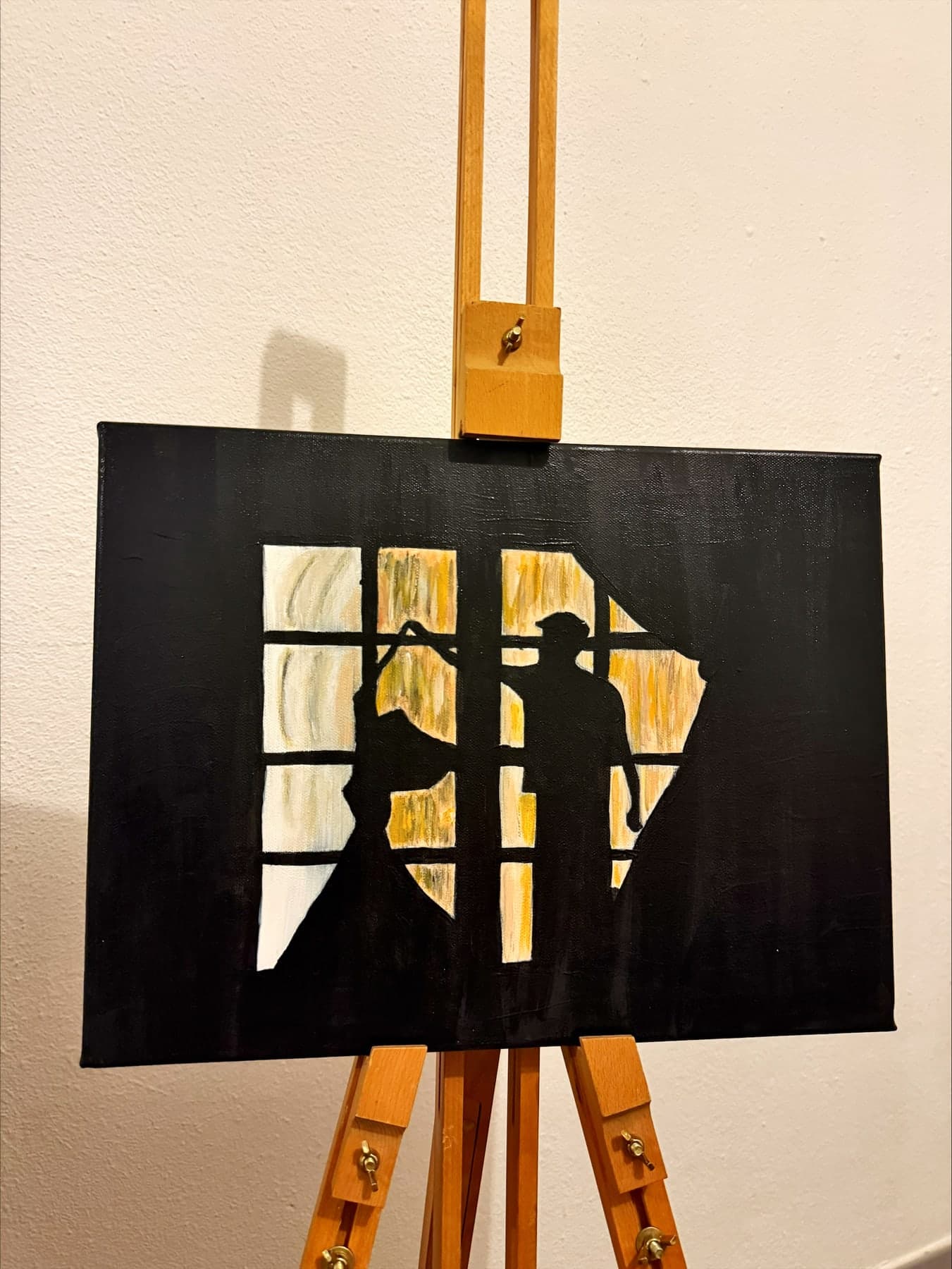
One-of-a-kind canvases, painted for the house.

What it changes: resale, insurance, inheritance
At resale, a serious buyer asks for the certificate before discussing price. Without it, the canvas is negotiated as a decorative object, often at a third of its value; with it, it is negotiated as a work, and the history begins: first owner, date, provenance. Professionals call this provenance, and it is built from the first certificate.
For home insurance, a work declared with its certificate is covered at purchase value, or revalued; without it, the insurer applies the general contents allowance. For an inheritance, the certificate avoids arguments: the canvas is identified, dated, attributed. A few lines protecting an object for decades.
The number and the register: how SEY Maison certifies the IS series
Each canvas of the IS × SEY Maison collaboration carries a unique certificate number, of the form SEY-ART-0001, assigned at creation and never reassigned, even once the canvas is no longer for sale. The number appears on the work's page, on the certificate delivered with it, and in our internal register. A sold canvas stays displayed in the gallery with its banner: public proof it existed once.
The certificate states the title, dimensions, technique, year, position in the first edition, 1/6 to 6/6, and the artist's signature. Saxophone, 1/6, 41 × 27 cm, acrylic on canvas, 2026, carries certificate SEY-ART-0006. The day you resell it, in ten or thirty years, that number will say exactly what it is.
A certificate of authenticity is not a formality: it is what makes a canvas a work of art, at resale, for insurance and for inheritance. It must name, measure, date, number and sign. The six IS × SEY Maison canvases ship with theirs, tied to a register where each number exists only once.
Frequently asked questions
What is a certificate of authenticity for a painting for?+
To prove the work is by the named artist, that it is the one described and that it is unique or numbered. It is the document that lets it resell as a work rather than a decorative object, be insured at its value and passed on without dispute.
What must a certificate of authenticity contain?+
The title, exact dimensions and technique, the creation date, the mention unique piece or the edition number with the total, and the artist's or publisher's signature, with a certificate number tied to a register.
Does a canvas without a certificate have value?+
It may be authentic, but it will have to prove it otherwise on the day of a resale or a claim, at its own cost. In practice, a canvas without a certificate is negotiated as a decorative object, often at a third of the value of an equivalent certified work.
The SEY Maison Circle
Every month, an exceptional piece. Never reissued.
The Drops principle: one high-end furniture piece per month, in a numbered edition. Once it's gone, it never comes back. Circle members are notified 48 h early, access each drop 24 h before everyone else, and receive our guides before publication.
Discover the Drops →Also worth reading

Lighting a painting at home: colour temperature, angle and intensity that respect the canvas
Read the article →

Ceiling fan and television: avoiding LED glare on the screen and blade flicker
Read the article →
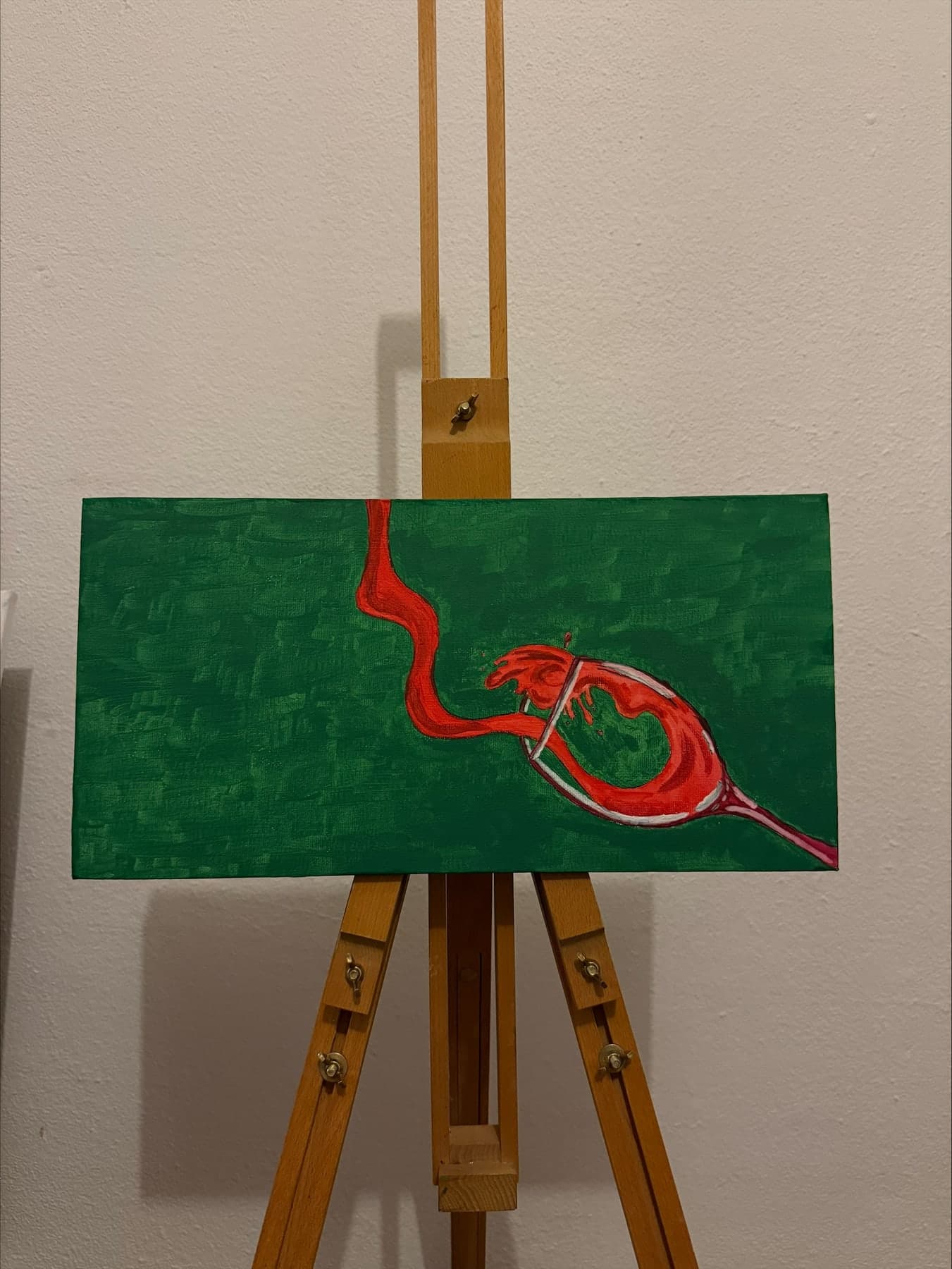
Gallery wall or a single canvas: which to choose for your living room, and why empty space matters
Read the article →