
The art of the home
Everyday luxury at home: the philosophy of the useful object treated as an object of desire
Published on ·3 min read
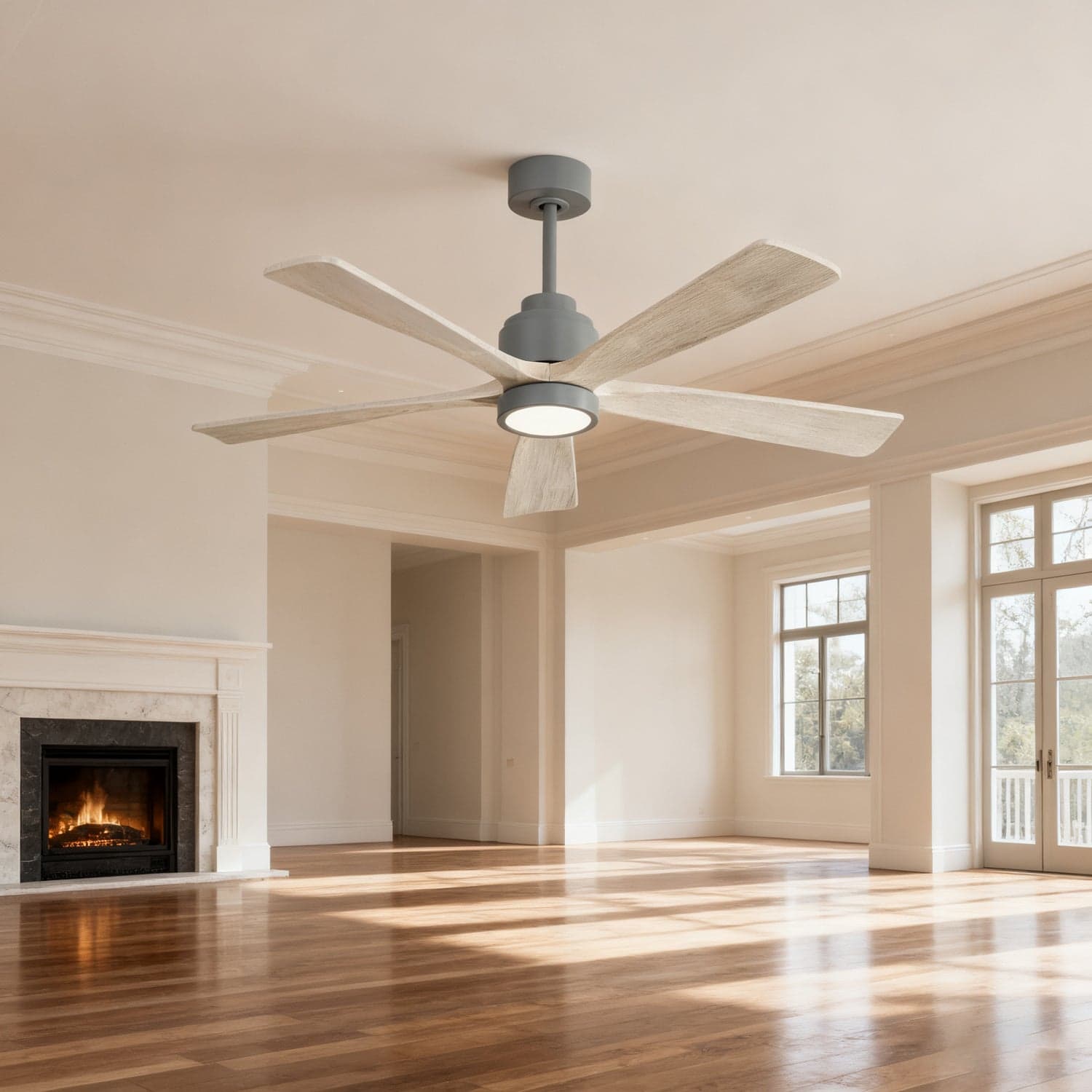
Luxury has long been defined by the exceptional: the jewel brought out for great occasions, the gastronomic meal for anniversaries. That is a conception of luxury as parenthesis. Another exists, rarer and perhaps deeper: luxury as an ordinary standard. Not rarity reserved for events, but quality integrated into every daily gesture.
This philosophy has a name in Japanese craftsmanship: mono no aware, sensitivity to the beauty of ordinary things. The question is not budget, it is the quality of attention.
What everyday luxury is not
Everyday luxury is not the accumulation of expensive objects. A house filled with branded items without coherence produces the opposite effect: it speaks of spending, not taste. True everyday luxury is an economy: fewer objects, but each of a quality that warrants attention.
It is also not frozen perfection. An interior that resembles a catalogue and seems never to have been lived in is the opposite of living luxury. Patinas, light wear, and embraced imperfections speak of a lived home, objects chosen and kept.
Rituals as the practice of luxury
Everyday luxury lives in rituals. A ritual is a gesture repeated with attention, where the form matters as much as the function. Morning coffee with a beautiful pot, market flowers in a chosen vase, reading at the same hour in the same chair: these gestures have value only if the objects that accompany them elevate them.
- ·Morning: coffee maker, cup, light, nothing superfluous
- ·The meal: table setting, plate, glass worth looking at
- ·Night: linen, silence, moving air, chosen darkness
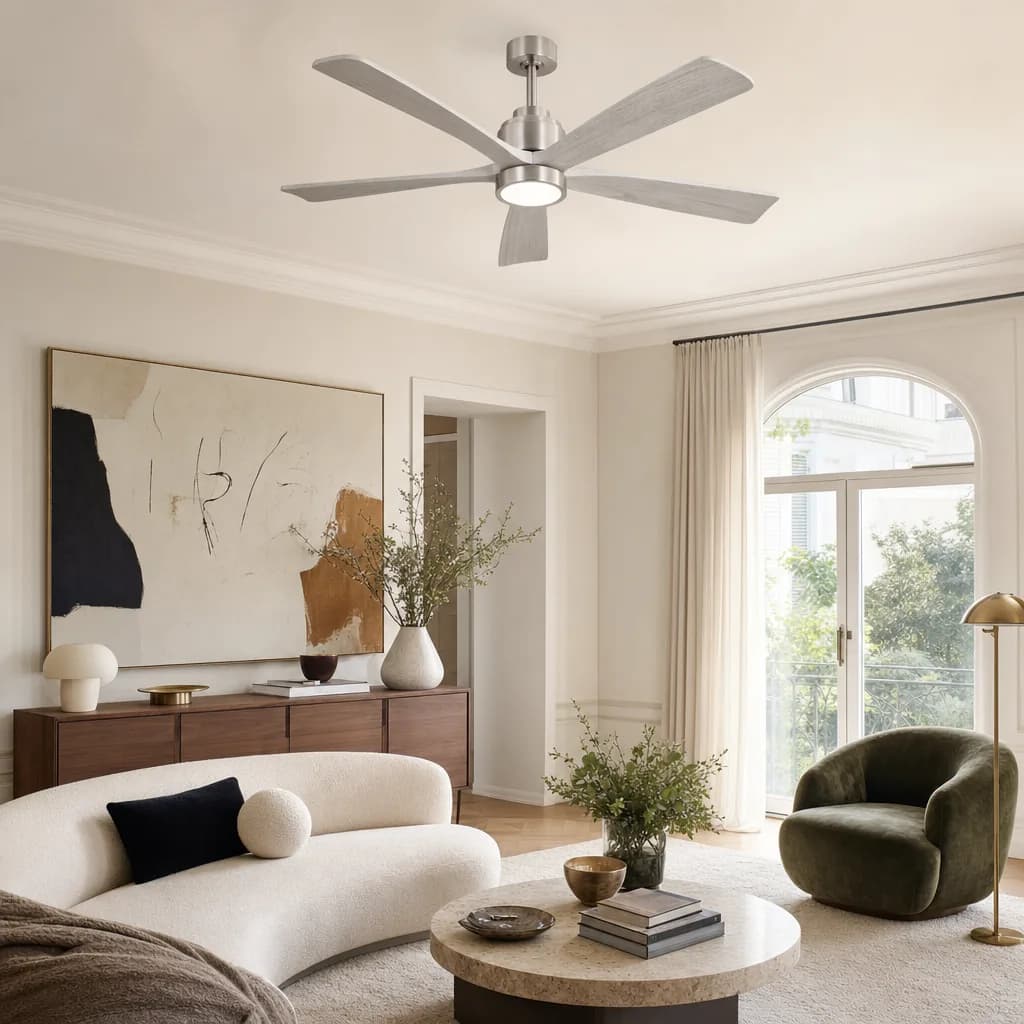
The Équinoxe 132
Five wood-grain blades · Brushed nickel · 3-temperature LED
- ✓Five aerodynamic wood-grain blades: wide, even airflow up to 30 m²
- ✓Reversible winter mode: better-spread heating, lower consumption
- ✓Dimmable LED, 3 temperatures (3000K / 4000K / 6000K), a light for every hour
€349€439
The useful object as an object of desire: the paradox resolved
Twentieth-century industrial design imposed a dichotomy: beautiful objects versus useful objects. Contemporary design has resolved that false paradox. The best objects today are those whose beauty is inseparable from function, not an ornament applied to a utility, but a form that expresses a perfectly mastered use.
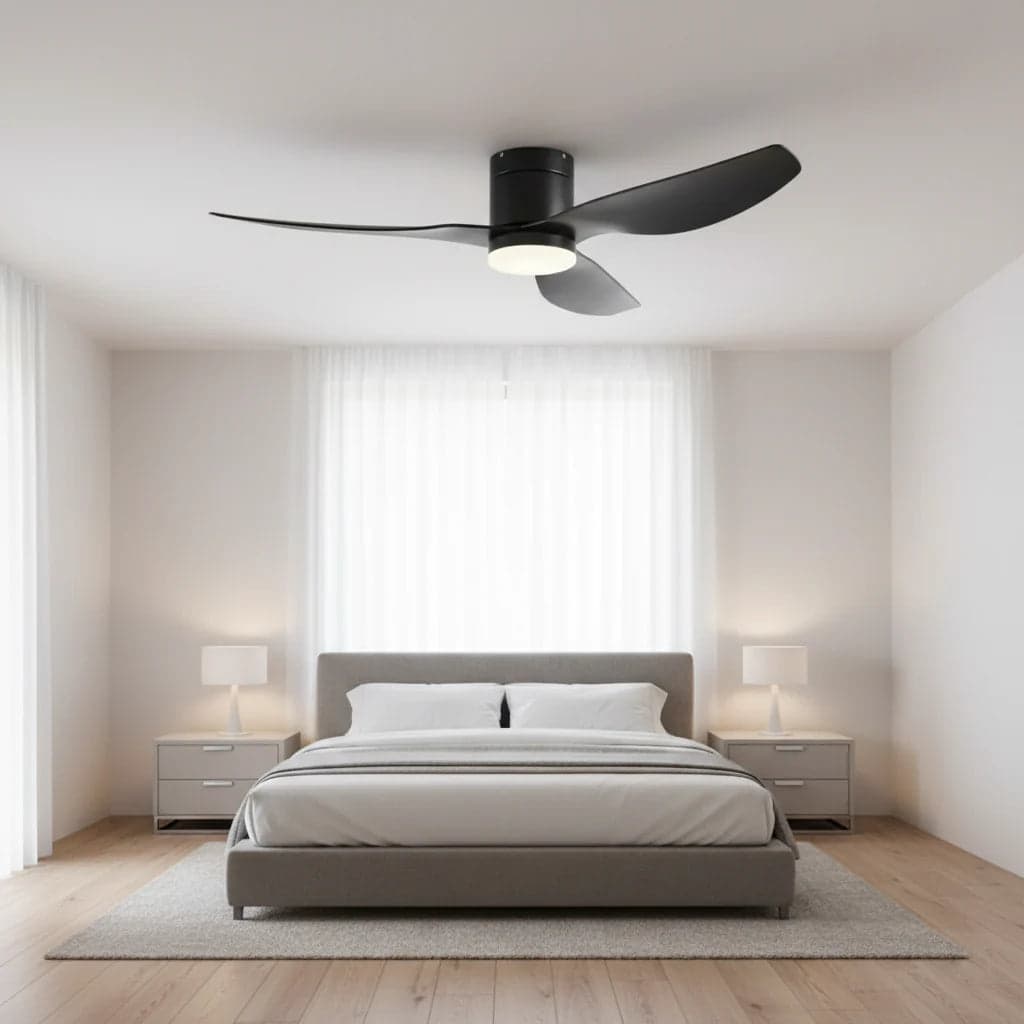
The ceiling fan is the clearest example. For decades it was the functional object one tolerated. Today's DC motor models, with solid wood or high-end synthetic blades, are objects chosen for what they do to the space as much as to the air. Their presence at the ceiling is architectural. Their silence is a form of luxury in itself.
Building a quality interior: the layered approach
An everyday luxury interior is not built all at once. It is built in layers, progressively replacing functional objects with versions worth noticing. The method is not to change everything at once, but to identify daily friction points: what subtly bothers you every day without you realising? An ugly switch, a squeaking handle, a luminaire that lights poorly.
Everyday luxury is an art of attention: to gestures, objects, materials. It requires no exceptional budget, it requires a different gaze. At SEY Maison, this philosophy guides every design decision: whether the object is a ceiling fan or a furniture piece, it must earn its place in the space, not merely be useful in it.
Frequently asked questions
What is everyday luxury?+
It is the philosophy of treating useful daily objects with as much care as rare or precious ones: a beautiful coffee maker, quality linen, a light fitting that transforms the space. Not accumulating expensive objects, but paying attention to those you use every day.
How do you integrate everyday luxury without changing everything?+
Through the layered approach: identify the objects you touch most often or see most, and replace those first with versions worth looking at. A beautiful tap, a thoughtfully chosen switch, a quality ceiling fan transform the daily experience disproportionately relative to their cost.
Is everyday luxury compatible with sustainability?+
They converge on a key point: the demand for quality. A well-made object lasts longer, can be repaired rather than thrown away, and provides greater satisfaction in use. The economics of an expensive but solid object are almost always better over ten years than those of a cheap one replaced three times.
The SEY Maison Circle
Every month, an exceptional piece. Never reissued.
The Drops principle: one high-end furniture piece per month, in a numbered edition. Once it's gone, it never comes back. Circle members are notified 48 h early, access each drop 24 h before everyone else, and receive our guides before publication.
Discover the Drops →Also worth reading
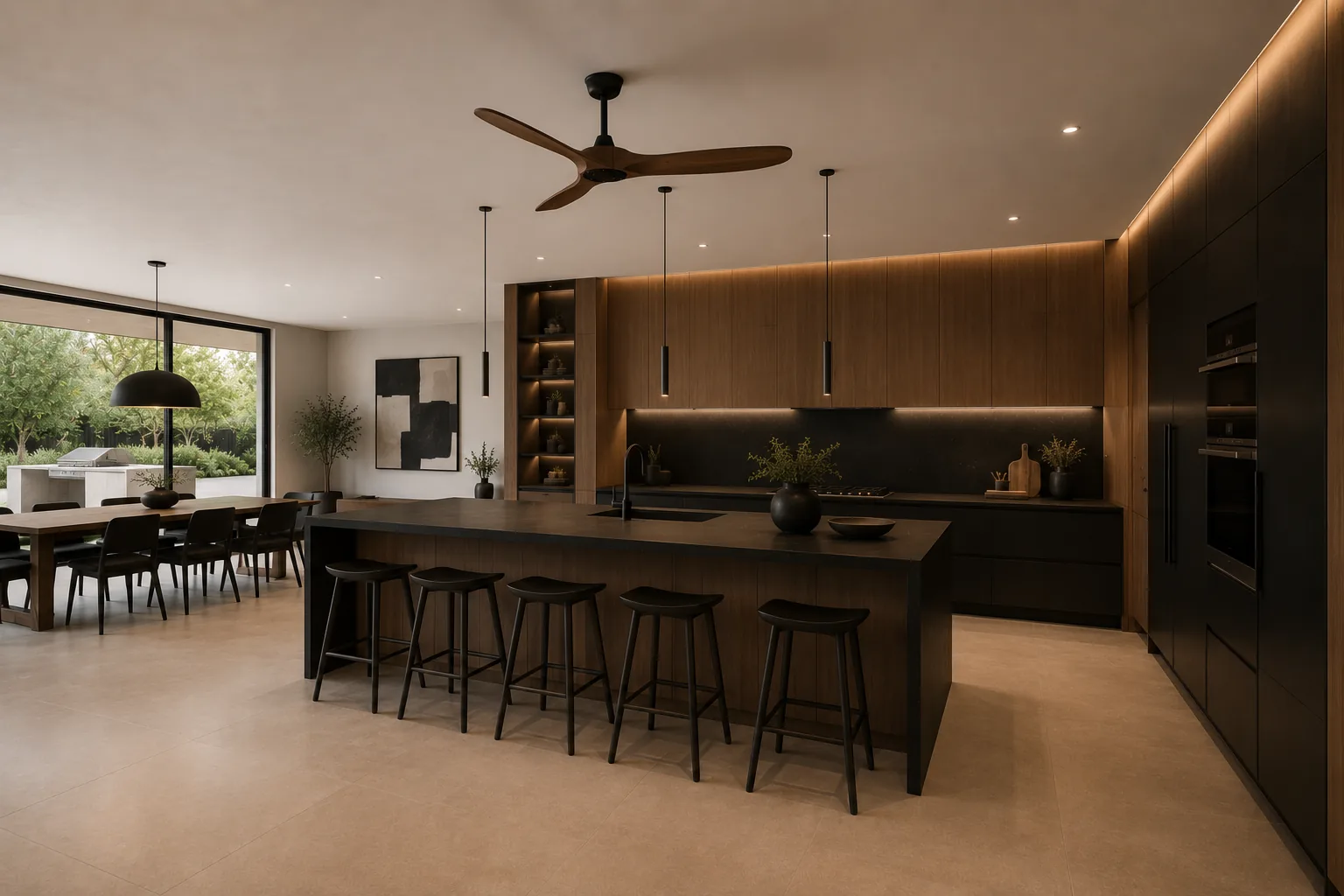
Ceiling fan in a child's bedroom: safety, height, noise and loft beds
Read the article →
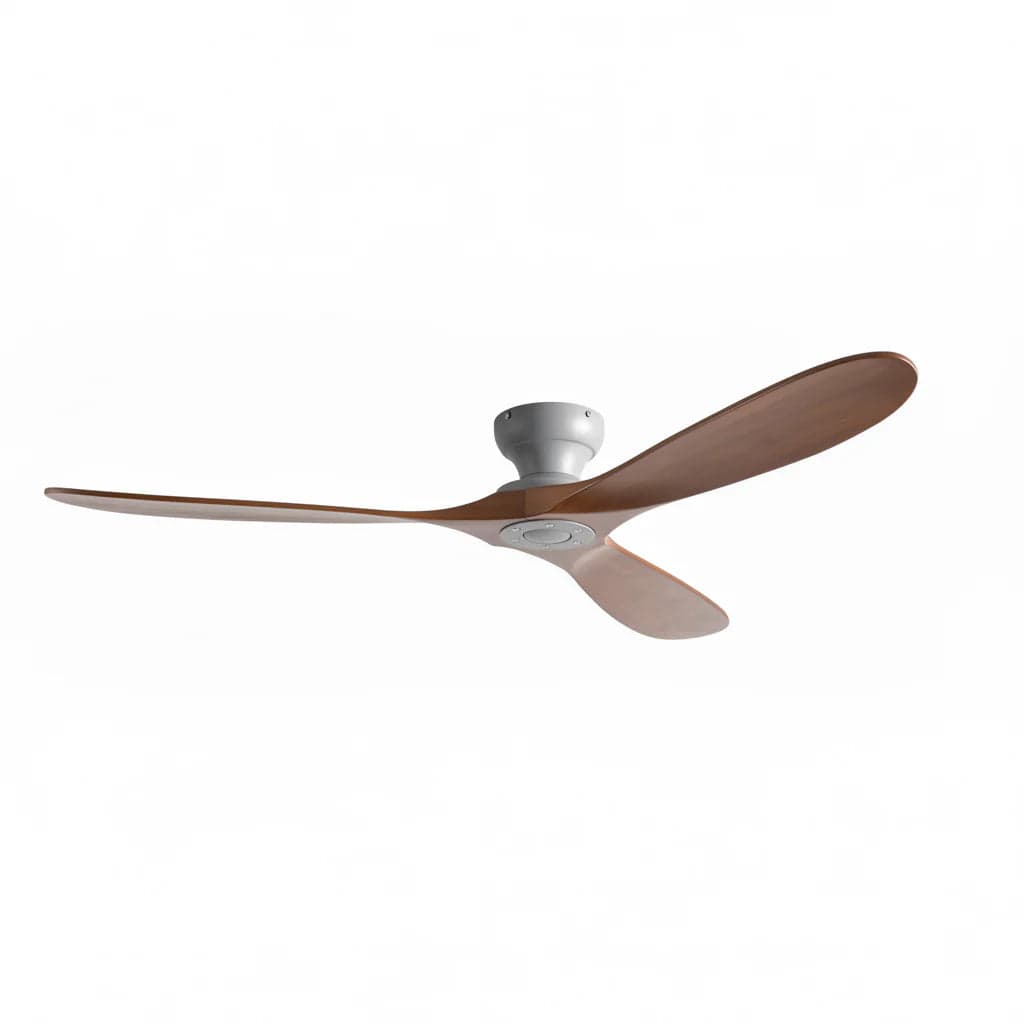
Paying for a ceiling fan in three interest-free instalments: how it works, what it costs, what to know
Read the article →
Inside a ceiling fan box: what is supplied, what is missing, what to prepare
Read the article →