
The art of the home
Luxury hotel comfort at home: palace secrets you can reproduce yourself
Published on ·3 min read
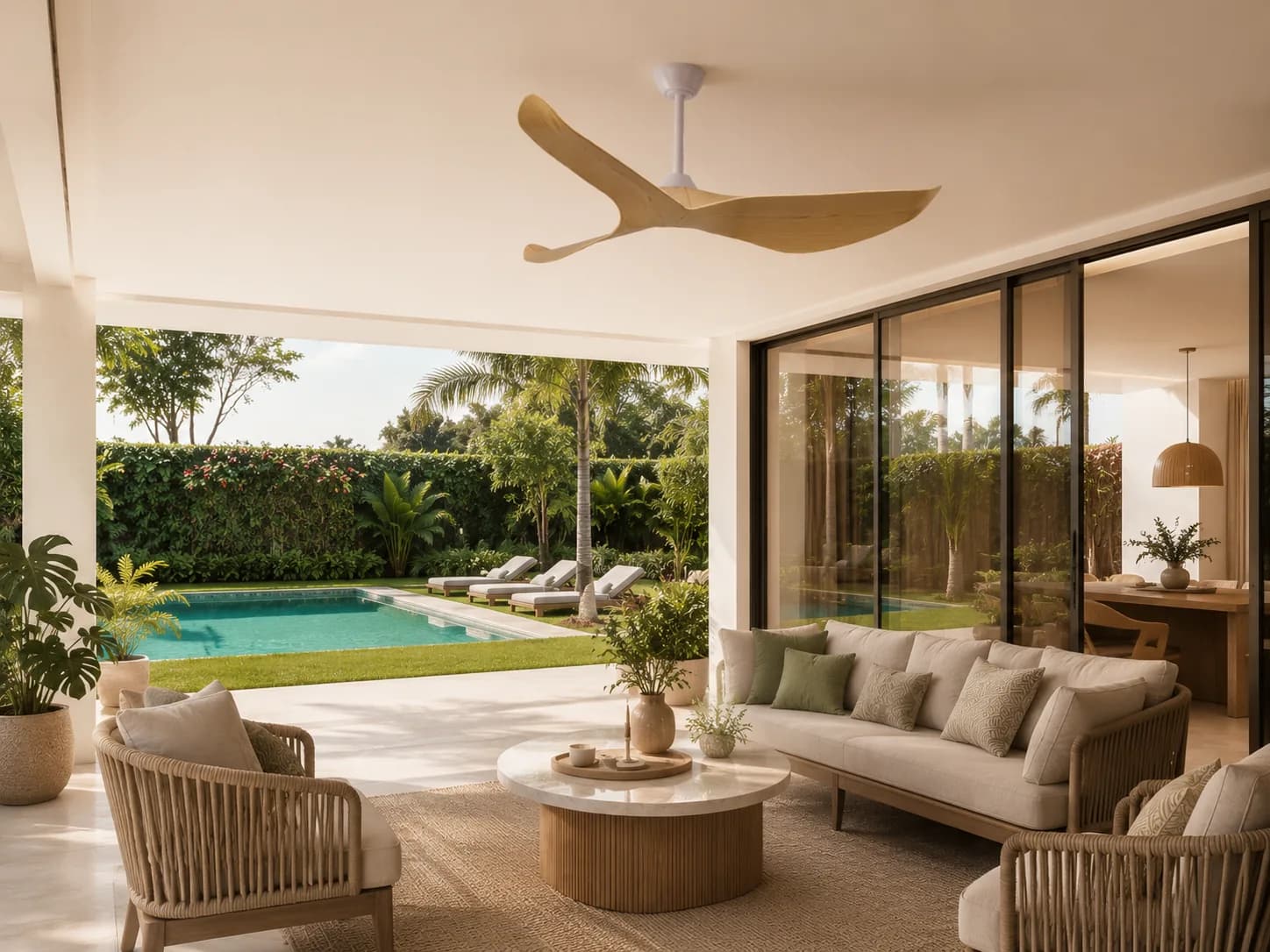
What luxury palaces master better than anyone is the art of a total sensory experience. Not a single detail is left to chance: room temperature, quality of silence, feel of the sheets, morning light. This is not an accumulation of expenditure, it is a precise understanding of what produces comfort, and uncompromising execution.
Most of these secrets are neither proprietary technologies nor inaccessible budgets. They are principles that can be transposed into any home, progressively, once you understand what they target. This guide breaks them down by category: bedding, acoustics, air and temperature, light.
Bedding: the value of eight hours' sleep
Palaces invest €3,000-8,000 per bed, not for ostentation, but because sleep is the central service they sell. The palace formula: high-density or pocket-spring mattress, 5-8 cm goose-down topper, Egyptian cotton percale sheets (400+ thread count), lightweight all-season duvet. This system creates a 'sleeping on a cloud' sensation through physics: the topper absorbs pressure points, high-density sheets regulate temperature, the lightweight duvet prevents overheating.
Residential transposition does not require the same budget. A natural latex or merino wool topper (€300-600) reproduces 80% of the sensation. Percale 200-thread-count linen from a specialist brand (€50-80 per pillowcase pair) is vastly superior to synthetic supermarket linen.
- ·Mattress: pocket springs or latex, no low-density foam
- ·Topper: down or latex, 5 to 8 cm thickness
- ·Linen: 200+ thread count percale, long-fibre cotton
Acoustics: the luxury you cannot hear
Palace rooms reach 25-30 dB of ambient noise, what acousticians call NC-20. A standard Parisian apartment oscillates between 40 and 50 dB at night, four times louder on the logarithmic scale. This difference alone explains why one sleeps differently at a luxury hotel.
Reproducing this silence at home requires several layers: door seals (€20-50), heavy double curtains, thick carpets or rugs (they absorb reverberation), and double-glazed windows or acoustic film. The result won't match 25 dB, but a realistic 8-12 dB reduction transforms sleep quality.
The Pacifique 132
Sculptural blade · Ø 132 cm · Low-consumption DC motor
- ✓Silent DC motor, 6 reversible speeds
- ✓Remote control included
- ✓30-minute installation, illustrated manual
€339€389
Air and temperature: the invisible setting
Palaces maintain 19-21°C for sleep. Sleep medicine research confirms that a cool environment is one of the most powerful signals for falling asleep. Rooms above 24°C measurably fragment sleep.
But palace air is not only cool, it is in light, constant movement. Luxury HVAC systems do not blow: they circulate. Air moves at an imperceptible speed (under 0.1 m/s) that regulates perceived temperature without creating draughts. This is precisely what a silent ceiling fan on night speed does: circulation at 30 dB or less, invisible, maintaining freshness without a single directional airflow.
Light: programming wake-up and wind-down
Palaces understood early that light is the primary circadian regulator. Their rooms have three light layers: full blackout (zero lumens for deep sleep), adjustable-intensity night light on the path to the bathroom, and a progressive wake-up light simulating dawn. Each layer corresponds to a distinct physiological need.
- ·Blackout: blackout blind or lined opaque curtain
- ·Progressive wake-up: connected lamp with timer simulating dawn
- ·Night light: 2,700 K LED directed toward the floor, not the eyes
Palace comfort does not depend on room size or the value of the paintings on the wall. It rests on precise control of four parameters: bedding, acoustics, air and light. Each is transposable at home, progressively, with a targeted budget. And each acts on the eight daily hours of sleep, the highest-return investment in quality of life there is.
Frequently asked questions
What is the ideal temperature for sleeping like in a palace?+
Palaces maintain 19 to 21°C in their bedrooms. This range corresponds to the optimal zone identified by sleep medicine research: a slightly cool environment triggers the body temperature drop that facilitates falling asleep. Above 24°C, sleep measurably fragments.
Why do we sleep better in luxury hotels?+
Four factors combined: high-quality bedding (topper, high-thread-count linen), optimised acoustics (25-30 dB), lightly moving cool air, and full blackout. All four are reproducible at home, progressively, for a few hundred euros total.
Can a ceiling fan reproduce palace-quality air?+
Yes, it is the residential equivalent of the discreet circulation systems palaces install in their bedrooms. On night speed, a silent model (30 dB or less) creates imperceptible circulation at under 0.1 m/s that maintains a sense of freshness without draught, exactly as top-end hotel systems do.
The SEY Maison Circle
Every month, an exceptional piece. Never reissued.
The Drops principle: one high-end furniture piece per month, in a numbered edition. Once it's gone, it never comes back. Circle members are notified 48 h early, access each drop 24 h before everyone else, and receive our guides before publication.
Discover the Drops →Also worth reading
Ceiling fan in a child's bedroom: safety, height, noise and loft beds
Read the article →
Paying for a ceiling fan in three interest-free instalments: how it works, what it costs, what to know
Read the article →
Inside a ceiling fan box: what is supplied, what is missing, what to prepare
Read the article →