
Interior design
Caring for an acrylic canvas: dusting, protecting, moving, without ever damaging it
Published on ·4 min read
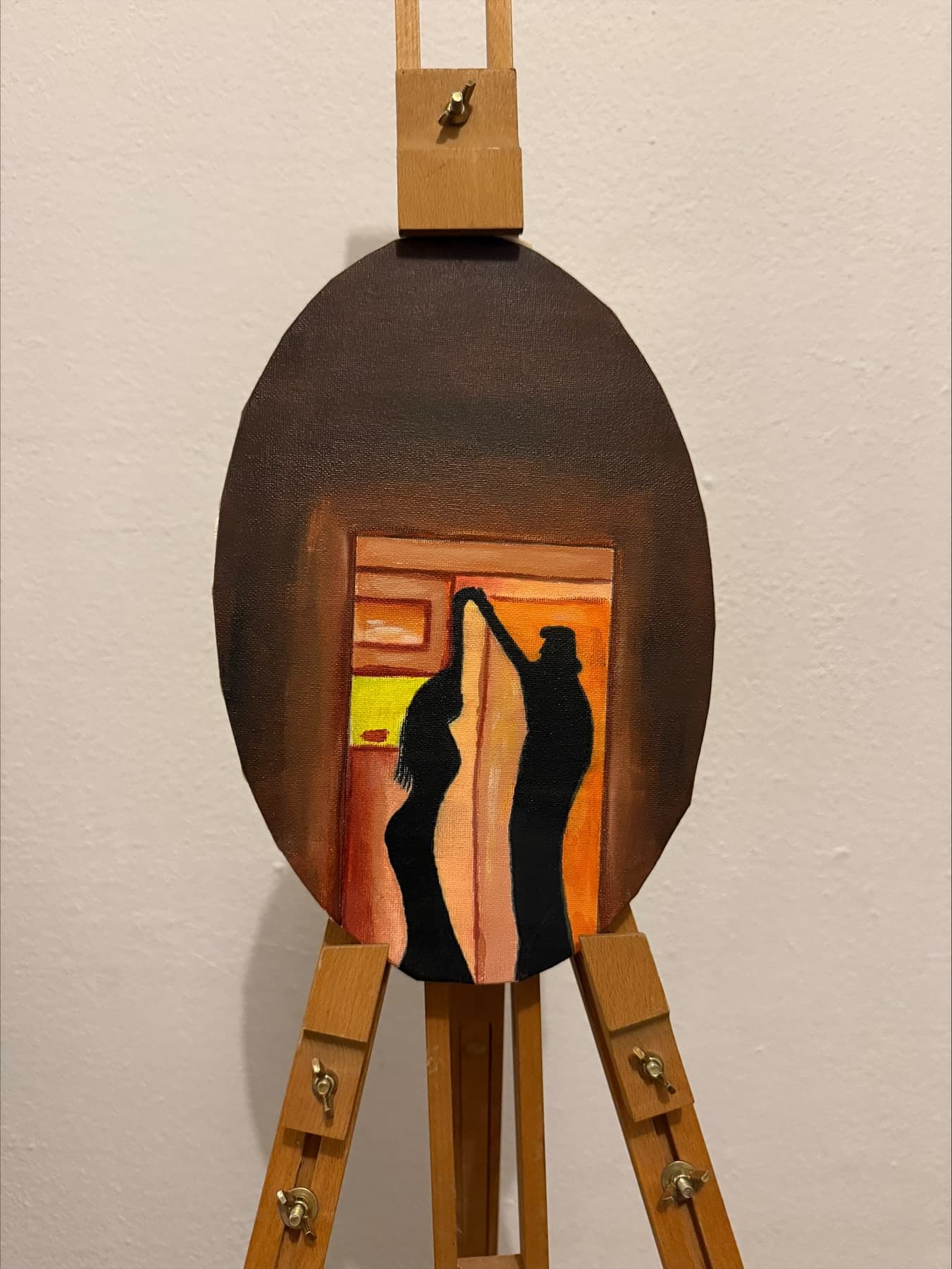
Acrylic is one of the most stable paints there is: flexible, immune to yellowing, water-resistant once dry. A well-hung acrylic canvas needs no varnish and no restoration for decades. It only asks that three things be kept away from it, and that it be touched the right way.
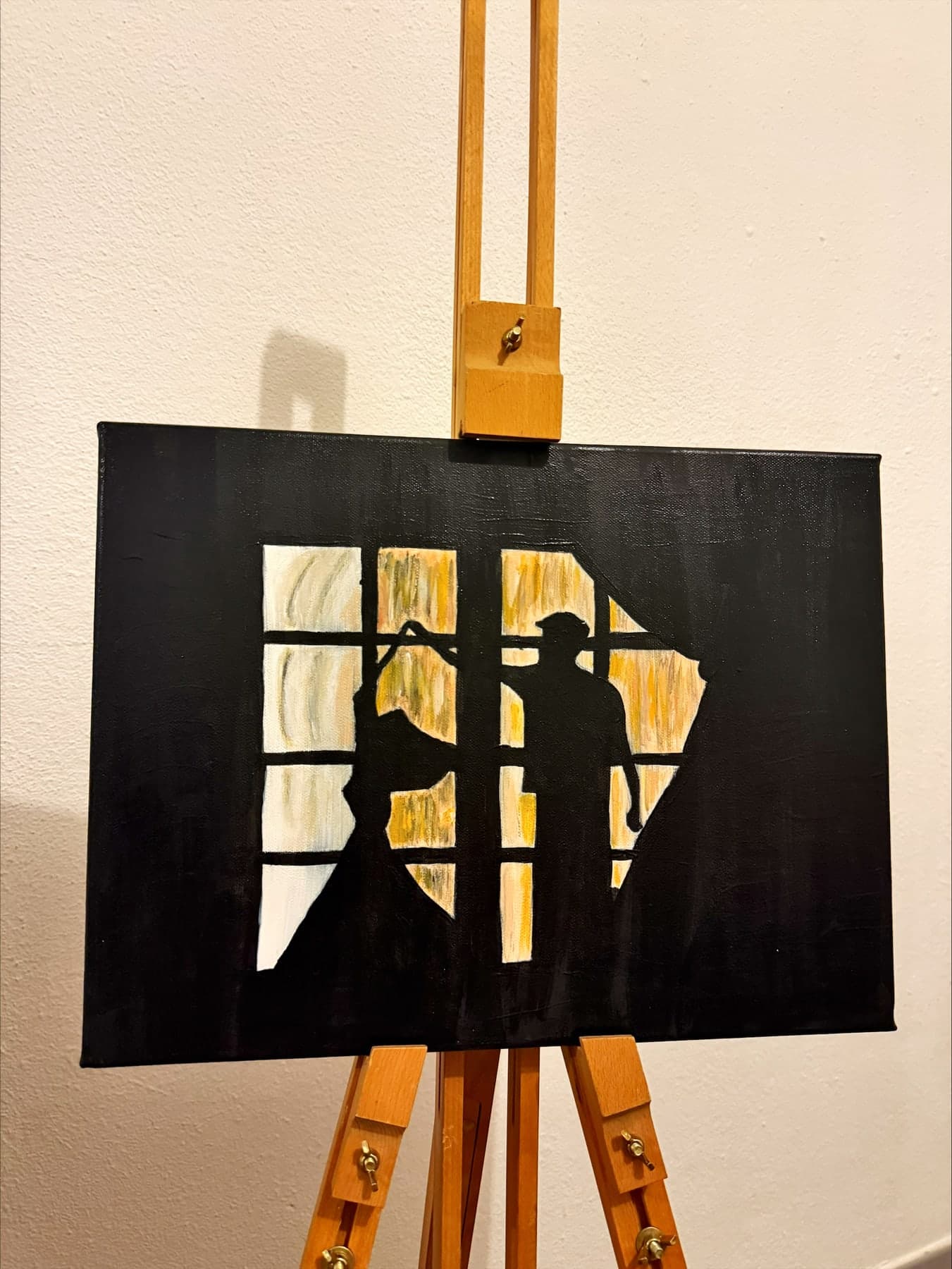
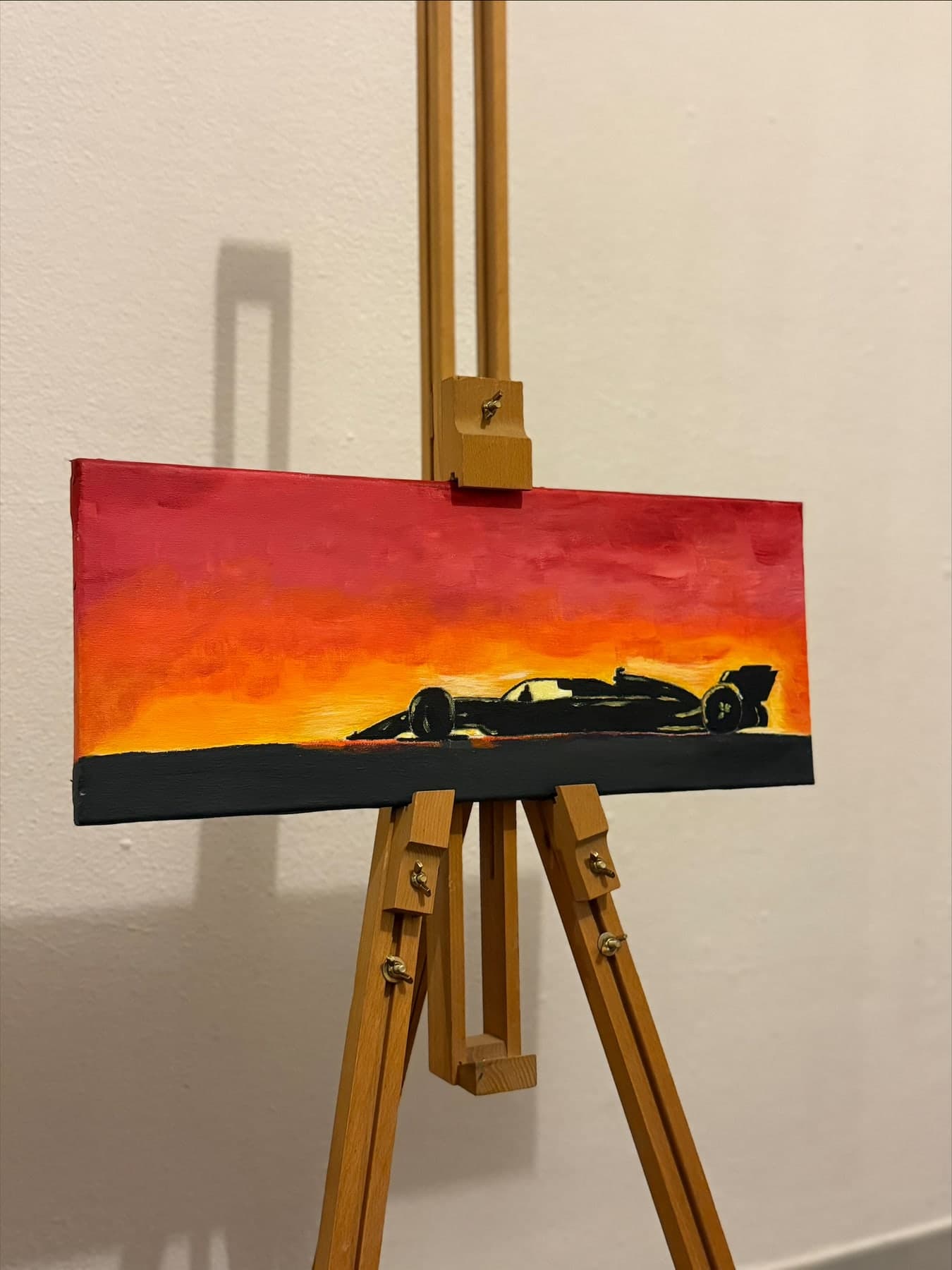
This article gathers the care moves for an acrylic canvas, from dusting to moving house, with what should never be done. It applies to the six canvases of the IS × SEY Maison collaboration as to any stretched acrylic canvas, including an oval format like Warm 50s.
Dusting: a brush, dry, twice a year
Dust settles on a canvas as on furniture, a little faster if the room is ventilated. It does not damage it, but dulls the colours over time. The right move: a wide flat soft-bristle brush, perfectly dry, passed top to bottom in light strokes, without pressing. Twice a year is enough in a normal interior, four times if the canvas is near an often-open window.
What must never be done: a damp cloth, which leaves marks and can lift an impasto; a feather duster, whose fibres catch on relief; a household product, whatever it is. Dry acrylic resists water, but surface pigments and matte areas can mark. When in doubt, do not touch: a slightly dusty canvas is better than a rubbed one.
The three enemies: sun, damp, heat
Direct sun is the first. UV slowly degrades all pigments, starting with reds and pinks; a canvas in full sun a few hours a day loses saturation within a few years. The hanging wall must not receive direct sun, or only behind a sheer curtain at the harshest hours. LED, by contrast, emits almost no UV: an LED ceiling light is risk-free.
Damp comes next. Above 65% relative humidity continuously, a canvas can slacken on its stretcher and eventually host mould on the back. So avoid the bathroom, the kitchen near the hob, and the wall of a poorly ventilated north-facing room. Heat, finally: a radiator just below, a fireplace opposite, a halogen close up dry out the paint layer and the stretcher. A metre from any heat source is enough.
- ·Direct sun: avoid, sheer curtain if needed, LED risk-free
- ·Damp: under 65%, no bathroom or kitchen near the hob
- ·Heat: at least a metre from a radiator, fireplace or halogen
One-of-a-kind canvases, painted for the house.
Handling and taking down safely
A canvas is held by the stretcher, both hands on the sides of the wooden frame, never by the painted surface or the top alone. Fingers leave greasy marks on matte acrylic, and pressure on the canvas can create a permanent mark on the paint side. To take it down, lift the bottom first, then free the hook, without sliding the canvas against the wall.
Once down, the canvas is set on a clean, dry surface, painted side facing you, never face down on a table. If it must stay off the wall a few days, store it upright, painted side to the wall, with a sheet of tissue paper or clean card between the paint and anything that could touch it. Never flat under other objects, never in a damp cupboard.
Transporting or moving a canvas
For transport, reproduce the original packaging: corners protected by card or foam corner pieces, a sheet of tissue paper on the painted side, then a rigid box the size of the canvas, with a little play filled with crumpled paper. Bubble wrap never goes directly on the paint: it can mark a matte surface and, with heat, stick to it. It goes around the box, not inside.
In a car, the canvas travels upright, wedged, never flat in the boot under boxes. In a house move it leaves last and arrives first, in the cabin rather than the van if possible. The IS × SEY Maison canvases ship in packaging with protected corners; it is worth keeping it folded somewhere for the day you change wall or house.
A dry brush twice a year, a wall without direct sun, without damp, a metre from any heat, hands on the stretcher and never on the canvas, a box with protected corners for travel. That is all an acrylic canvas asks to cross decades. Warm 50s, the oval canvas of the first IS × SEY Maison collection, is kept that way, in a single copy.
Frequently asked questions
How to clean an acrylic canvas?+
Dry only, with a wide flat soft-bristle brush, top to bottom, without pressing, twice a year. Never a damp cloth, feather duster or household product on the paint layer.
Does an acrylic canvas fear the sun?+
Yes, like all paints: UV from direct sun slowly degrades pigments, starting with reds. The hanging wall must not receive direct sun. LED emits almost no UV and poses no risk.
How to pack a canvas for a house move?+
Corners protected by corner pieces, tissue paper on the painted side, a rigid box the size of the canvas, crumpled paper for wedging, bubble wrap around the box and never on the paint. In a car, upright and wedged, never flat under other objects.
The SEY Maison Circle
Every month, an exceptional piece. Never reissued.
The Drops principle: one high-end furniture piece per month, in a numbered edition. Once it's gone, it never comes back. Circle members are notified 48 h early, access each drop 24 h before everyone else, and receive our guides before publication.
Discover the Drops →Also worth reading
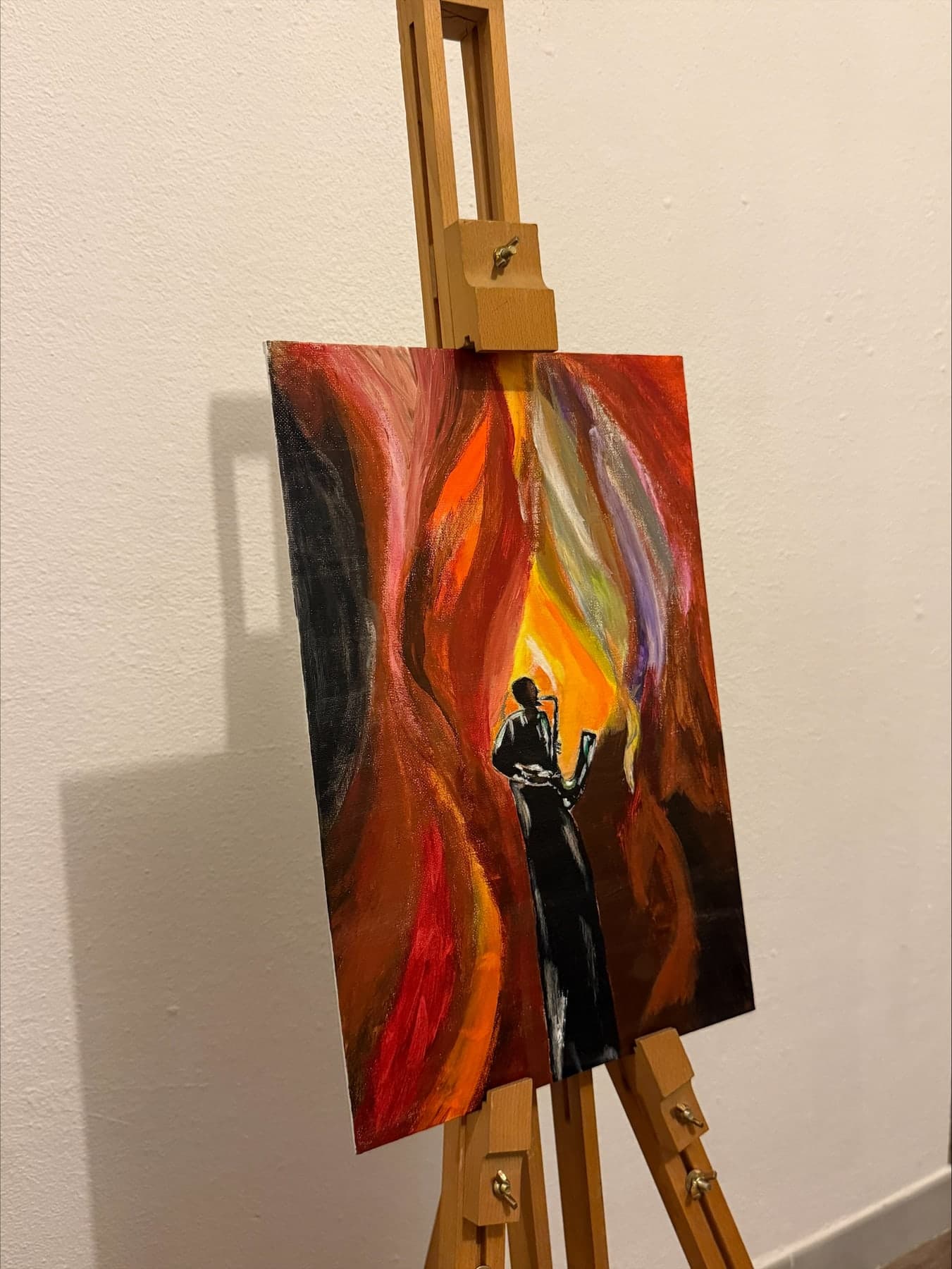
IS × SEY Maison: why a ceiling-light house presents unique canvases, and how the first collection was built
Read the article →
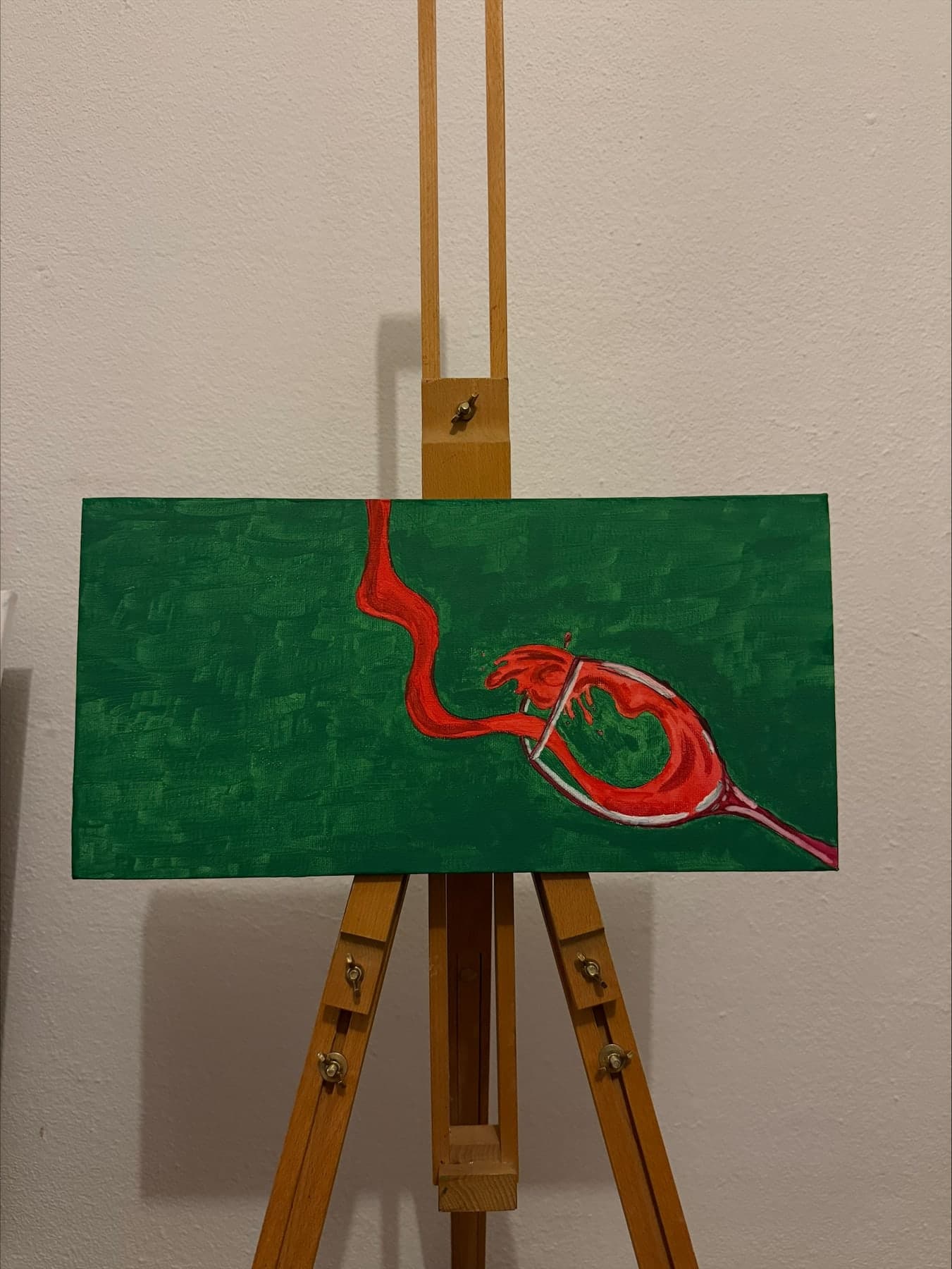
A panoramic painting in a corridor or entrance: the format that dresses narrow walls
Read the article →
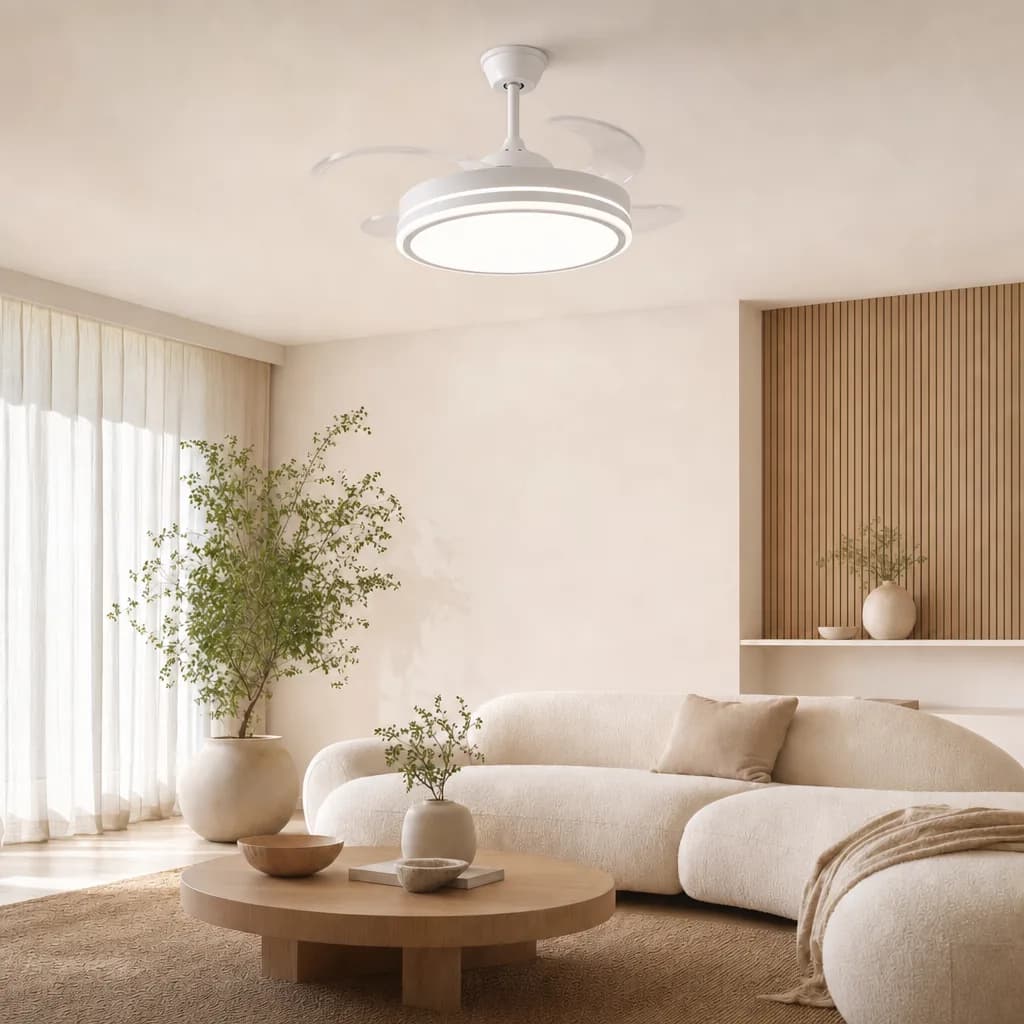
Before / after: what a ceiling fan really changes in a living room, in three stages
Read the article →